The myth of the universal floor scrubber
I'll just say it: there is no "best" floor scrubber. There's only the best for your facility. And anyone who tells you otherwise either hasn't managed a real fleet or is trying to sell you something.
When I first took over purchasing for our facility in 2020, I assumed the most expensive model from a major brand would handle everything. Four machines, three different floor types, and roughly $40,000 later—I learned the hard way. The big-name machines we bought were great on smooth concrete but struggled in tight corners and on varied surfaces. We ended up with a mix of underused machines and a storage room full of them.
That's when I started looking at Factory Cat. Not because they promised everything—but because they didn't.
What I got wrong (and what I got right)
My initial approach was completely wrong. I thought the solution was a single, high-capacity unit. But the reality for any facility manager or distributor is: you need a variety of tools for different jobs. That's not a compromise—that's efficiency.
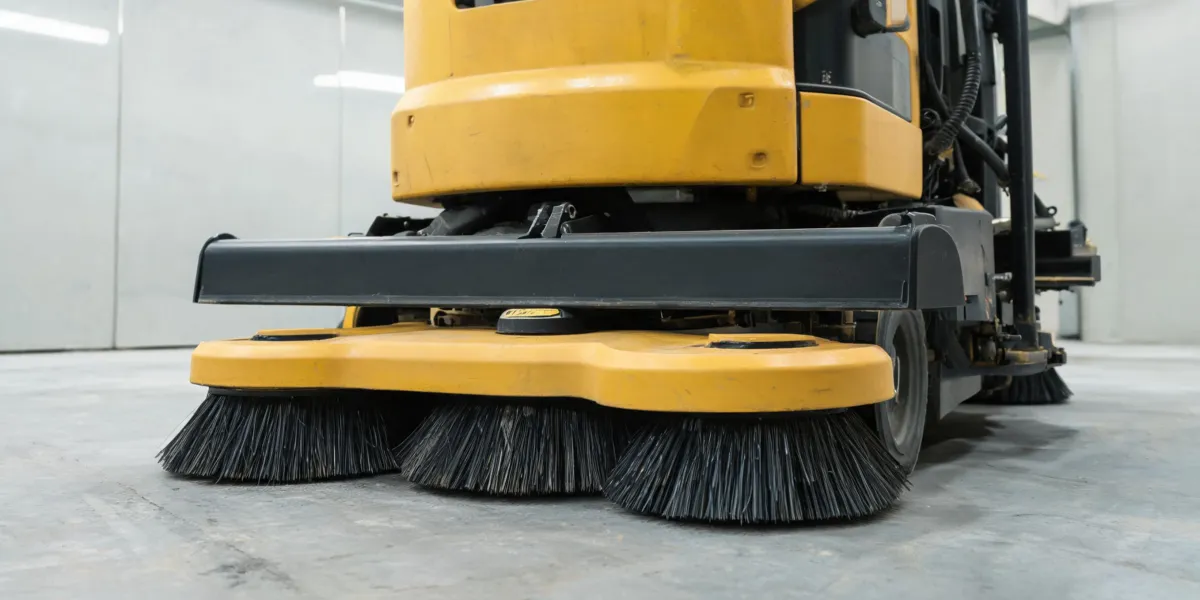
Here's what surprised me. Factory Cat doesn't try to make one machine that does it all. They make 34 different models—walk-behind sweepers, rider scrubbers, compact units. And they're very clear about what each one is for. Their walk-behind sweepers? Great for tight aisles and areas where a rider can't go. Their GTR rider scrubbers? Workhorses for open warehouse floors. The Magnum series? For heavy-duty, high-traffic areas that need serious scrubbing power. And the Micro HD? Honestly, it's tiny, but it's perfect for cleaning under racks and in tight spaces.
I used to think a wider selection meant a brand was unfocused. Now I see it as the opposite. It means they understand that your facility isn't a single problem. It's a collection of different cleaning challenges.
Honesty is the best policy (even in sales)
Here's the part you don't hear often: I only truly understood this after ignoring advice and paying for it. A colleague warned me about buying a single "all-in-one" machine for a warehouse with mixed flooring—concrete, tile, and epoxy. I didn't listen. That machine scratched the epoxy, couldn't dry the tile properly, and left the concrete looking dull. The re-coating of the epoxy floor cost us $2,400. I still kick myself for that.
So when I see Factory Cat's approach, I actually trust it more. They'll tell you: if you're only cleaning smooth, open concrete floors, the GTR-10 is a great choice. But if you have a complex layout with tight corners, varied surfaces, or areas under racking, you probably want a mix of a walk-behind sweeper (like their XR series) and a rider scrubber (like the Magnum). They don't try to sell you a single solution because they know it won't work for everyone.
That kind of honesty is rare. It's what I look for when I'm managing 50+ vendor relationships—someone who will tell me no when it's the right call.
A word about the 20% (when it doesn't make sense)
Now, I'm not saying Factory Cat is for everyone. If you have a massive, single-surface warehouse (say, 100,000 square feet of smooth concrete) and you just need one big machine to do the job, a different brand's single, high-capacity unit might be simpler. But for 80% of the facilities I see—with mixed surfaces, various aisle widths, and a need for flexibility—having a selection of models (and a supplier who doesn't oversell) is the smarter path.
Someone might argue: "Why not just buy one expensive, versatile machine?" Because in my experience, "versatile" machines are usually mediocre at everything. The best specialty machines (like Factory Cat's walk-behind sweepers for tight spaces) do one job exceptionally well.
Another objection I hear is: "But managing multiple machines is harder." Is it? I'd rather manage three machines that are perfectly suited for their jobs than one machine that's a constant headache. And with Factory Cat's parts and service network concentrated in Wisconsin and Kentucky, getting support is straightforward—not a national call center maze.
Final thought: the value of being honest about limitations
So here's my bottom line: if you're a facility manager looking for a floor scrubber, stop looking for the "best" one. Start by honestly assessing your facility's specific needs—floor types, layout, usage patterns. Then look at a supplier like Factory Cat that offers a range of solutions and doesn't pretend one is perfect for everyone. That's not a weakness in their product line. It's a strength. And it's why I keep them on my shortlist.
In an industry full of over-promises, a little honesty goes a long way—even if it means recommending a competitor's product for the 20% of cases where yours isn't a fit. (But honestly, that rarely happens with Factory Cat.)

Leave a Reply