The Short Version
If you're buying a Factory Cat floor scrubber — new, used, or on hire — the price on the quote is almost never the number that determines what you actually pay. The number that matters is your three-year total cost of ownership (TCO). For most facilities I've worked with, a used Factory Cat unit in good condition, backed by OEM parts and a documented service history, beats both the cheapest new machines and most short-term hire arrangements once you account for squeegee wear, batteries, and downtime.
I'll explain why in a minute. But the condensed version is this: I've watched procurement teams save $2,000 upfront and then spend $4,800 over 36 months on parts they didn't budget for. I've also watched teams pay more on day one and barely touch the machine for three years. The difference wasn't brand loyalty. It was whether they understood what they were actually buying.
Why I'm Not Just Guessing
I'm a procurement manager at a 340-person food processing facility in southeastern Wisconsin. I've managed our floor care and facility equipment budget — roughly $180,000 annually across categories — for the past six years. Over that time I've negotiated with 14 equipment vendors, processed 47 floor machine orders (purchases, parts, and two hire contracts), and tracked every invoice in our ERP system.
I say this not to impress you but because the number I'm about to give you comes from my own receipts, not a manufacturer's brochure. When I audited our 2022–2024 spending, I found that 68% of our "budget overruns" on floor equipment came from one category: consumables and unexpected repairs on machines where we'd optimized for the lowest purchase price.
That finding changed our procurement policy. We now require a 36-month TCO estimate on any floor equipment purchase over $3,000. It sounds like extra paperwork. It's saved us somewhere around $22,000 over the last two fiscal years.
What "Beloit Market" Really Tells You
If you've searched for a used Factory Cat floor scrubber in Beloit — or anywhere in the Wisconsin/Illinois corridor — you already know the market is weirdly regional. Factory Cat machines show up in concentrated pockets because the manufacturer's service footprint and dealer network are geographically tight. That's not trivia — it's a cost factor.
Here's what I mean. When we bought two used Factory Cat 34 units from a dealer near Beloit in early 2023, the proximity meant two things: (1) parts shipped in 1–2 business days instead of 5–7, and (2) we could get a technician on-site within 48 hours if something failed. Those two facts alone cut our downtime cost by an estimated 40% compared to a previous vendor relationship where parts came from out of state.
Most buyers focus on the unit price and completely miss the regional supply chain question. The question they should ask is: "When this machine goes down, how fast can you get me the part?" That answer is worth more than a $500 discount.
The Three Costs That Wreck Your Budget
1. Floor scrubber squeegees — the silent budget killer
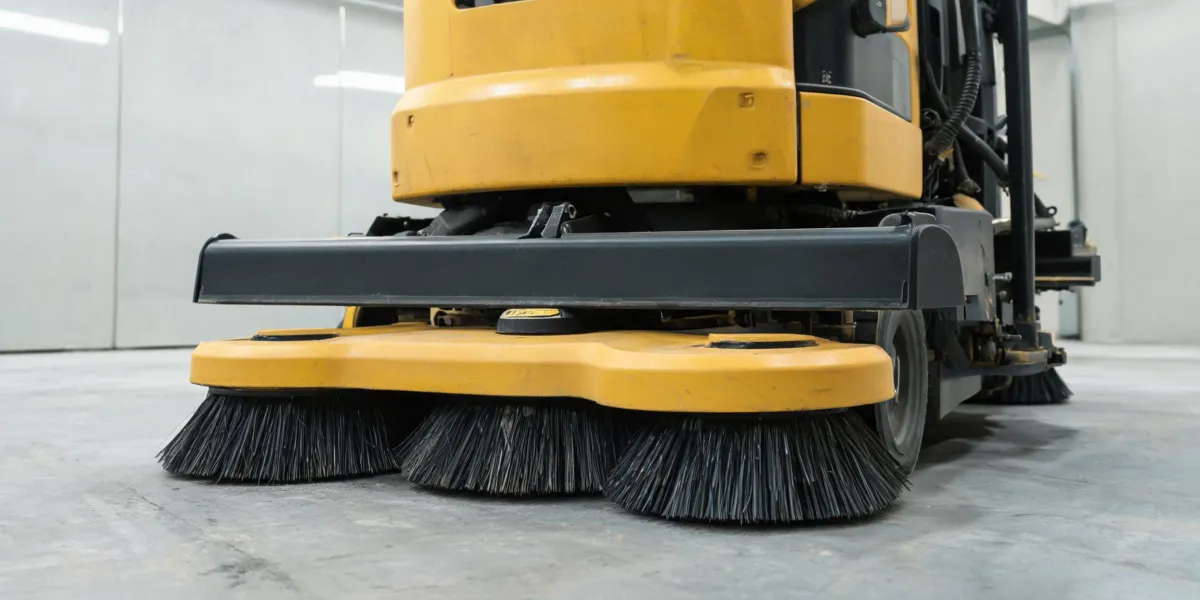
Everyone obsesses over motor specs and battery amp-hours. Nobody asks how often the squeegees need replacing and what OEM replacements cost. In our fleet, squeegee blades on heavily used units get swapped every 4–6 months. Aftermarket squeegees run about 40% cheaper — and last about 40% less time. Do the math and you're roughly even on cost, but you're paying in labor hours and downtime.
I want to say our average squeegee replacement cost per machine per year is around $280–$340. But don't quote me on the exact figure — I'm pulling from memory, and blade wear varies a lot with floor type and chemical usage.
2. Battery replacement cycles
A lot of facilities factor in the initial battery cost and then forget that batteries are consumables with a 3–5 year lifespan. When you're comparing a used machine at $8,000 against a new one at $14,000, the new machine's battery might have 4 years left while the used one has 18 months. That's a $1,800–$2,500 difference waiting for you in year two.
3. The hire trap
Floor scrubber machine hire makes sense for short projects — think a one-time deep clean after a renovation, or a seasonal contract. It almost never makes sense for ongoing facility maintenance. I ran the numbers in Q3 2024: hiring a mid-size scrubber for 12 months cost us roughly $9,600. Buying a comparable used unit outright plus a service contract came to about $11,200 over the same period — but the machine was still ours in year two, when hire costs would have reset to zero with no residual value.
The Factory Cat GTR Question
The GTR comes up a lot in conversations about heavy-duty applications. It's a solid machine — bigger deck, more aggressive scrubbing for industrial floor conditions. But here's the thing nobody tells you: the GTR's value depends entirely on whether your floors actually need that capacity. If you're running it on standard warehouse concrete that a smaller unit could handle, you're paying extra for capacity you'll never use, plus higher part costs when things wear out.
My rule of thumb: match the machine to your worst 10% of floor conditions, not your average. If average is what you're optimizing for, you'll over-buy. If worst-case is what you're optimizing for, you'll rarely regret it.
When This Advice Doesn't Apply
I should be honest about the limits here.
If your facility has highly variable floor conditions — say, a mixed-use building where you're cleaning everything from polished lobby tile to rough loading dock concrete — a single machine is going to be a compromise no matter how you buy it. In that case, hire for the specialty jobs and own a general-purpose unit for daily work.
Also, if your organization genuinely can't handle capital expenditures — cash flow is tight, depreciation schedules are a hassle, or the facility is leased short-term — then hire is the right call even if the math favors ownership on paper. TCO spreadsheets don't pay the bills. Cash flow does.
And one more: if you don't have a maintenance plan, none of this works. A used Factory Cat in good condition is a great value if you keep it in good condition. Skip the maintenance schedule and you've just bought an expensive paperweight with wheels.

Leave a Reply