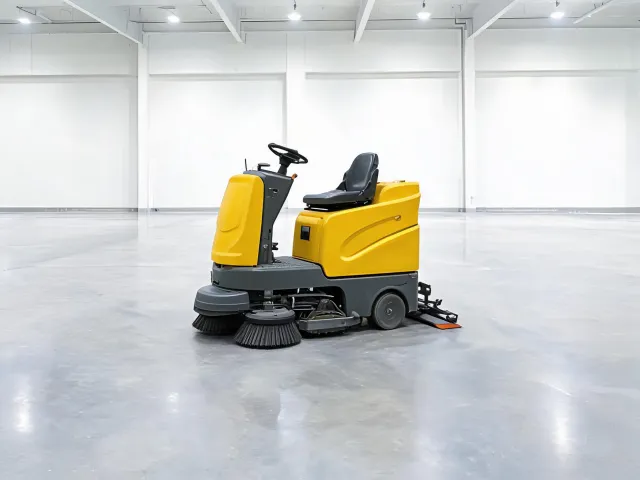
Floor Scrubbers
For wet cleaning programs where recovery performance, detergent control, and edge-to-edge passes decide daily labor.
Review scrubbersMatch scrubbers and sweepers to aisle width, debris load, operator routine, and maintenance windows before a purchase order reaches the floor.
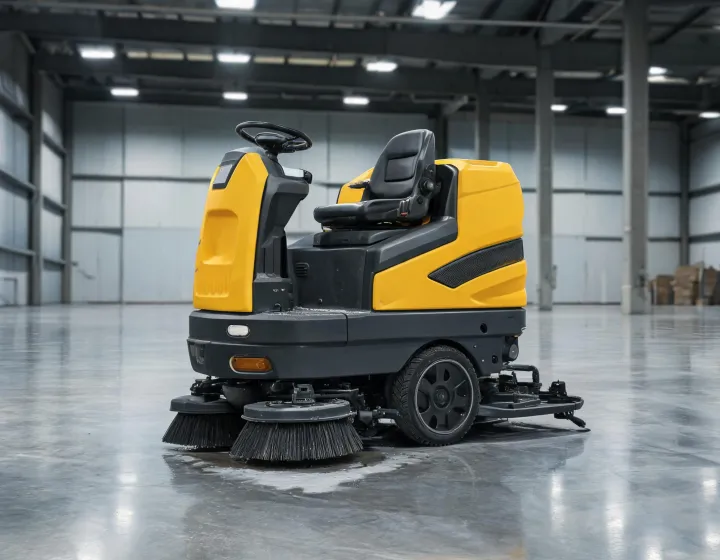
Factory Cat buyers usually begin with floor type, debris profile, and operator route. The card set keeps those decisions visible.
For wet cleaning programs where recovery performance, detergent control, and edge-to-edge passes decide daily labor.
Review scrubbers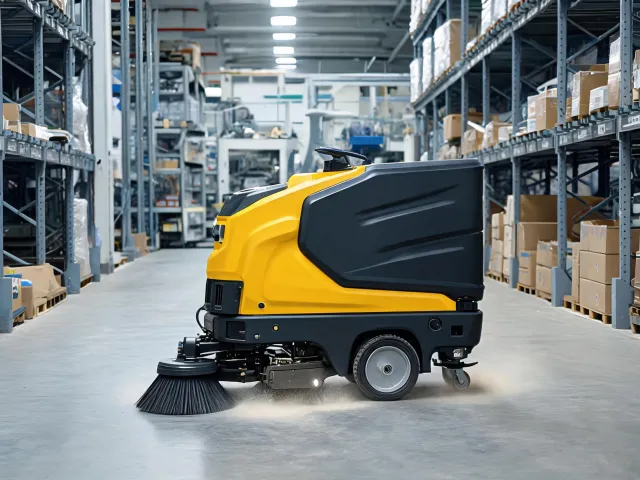
For dry debris pickup around dock doors, fabrication cells, packaging lines, and wide concrete traffic lanes.
Review sweepers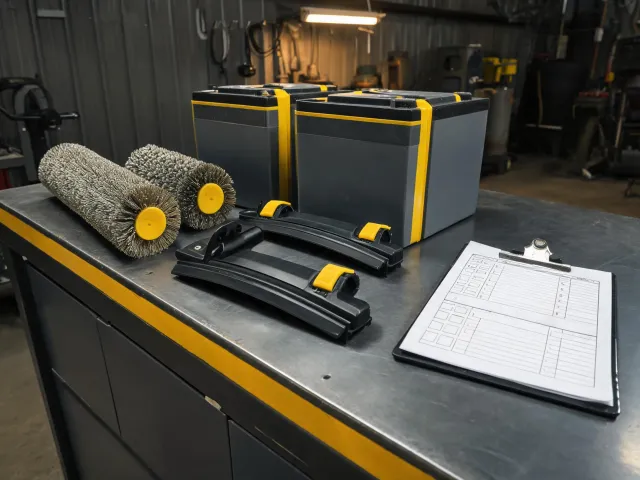
For teams that want wear kits, battery routines, and consumable intervals aligned before peak season begins.
Plan supportTurning radius, ramp access, dock crossings, drain placement, and storage space shape the recommendation before horsepower claims enter the discussion.
Fine dust, packaging scrap, tire marks, coolant residue, and winter salt each point toward different brushes, recovery tanks, and maintenance intervals.
Controls, visibility, filling steps, and end-of-shift cleaning need to match the people who actually carry the machine through a week.
Squeegees, brushes, filters, batteries, and chargers are treated as part of the purchase, not a separate surprise after the first quarter.
There is rarely one "best" machine. Most decisions trade one operating cost against another, so Factory Cat keeps both sides of the common arguments on the table instead of pushing a single answer.
Wet scrubbing leaves a finished floor in one pass but adds water handling, recovery emptying, and squeegee wear. Sweeping first protects scrub decks from coarse debris and stretches brush life, yet it adds a second route and a second machine to maintain. Sites with heavy packaging scrap usually sweep before they scrub; sites with light fine dust often skip the extra pass.
Cylindrical decks sweep small debris into a tray and tolerate uneven concrete, but they cost more to service and the tray must be emptied. Disc decks give higher pad pressure for scuff and tire marks on smoother floors, while leaving loose grit for a separate pass. Neither is universally better — the floor profile decides.
Battery riders move freely across long aisles with no trailing cord, at the cost of charge windows, battery replacement, and added machine weight. Corded or compact units lower the purchase price and remove charging logistics, but tether the route and the runtime. Shift length and aisle distance, not preference, settle this one.
Walk-behind machines park in tight stockrooms and cost less to buy, but they cover less square footage per hour and tire the operator on long routes. Ride-on units raise coverage and reduce fatigue, while needing more storage, a wider turning radius, and a larger upfront spend. The crossover is driven by daily area, not by image.
Share square footage, soil type, aisle constraints, and shift schedule. Factory Cat can return a practical scrubber or sweeper path without turning the first call into a brochure reading.
Start Fleet Review