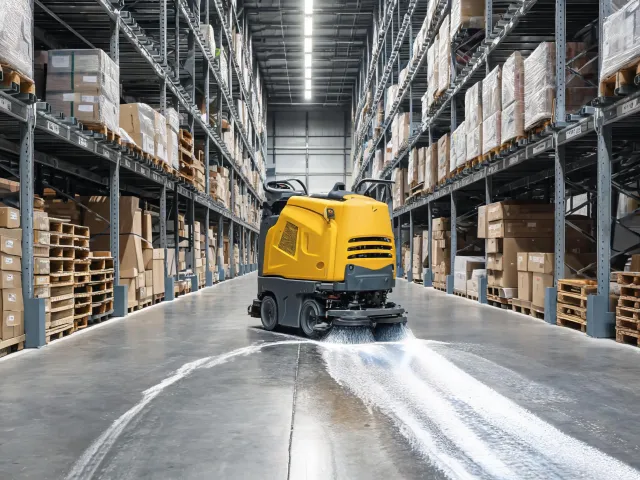
Warehouse and logistics
Dock traffic, tire marks, pallet debris, and long aisles reward predictable recovery and simple end-of-shift checks.
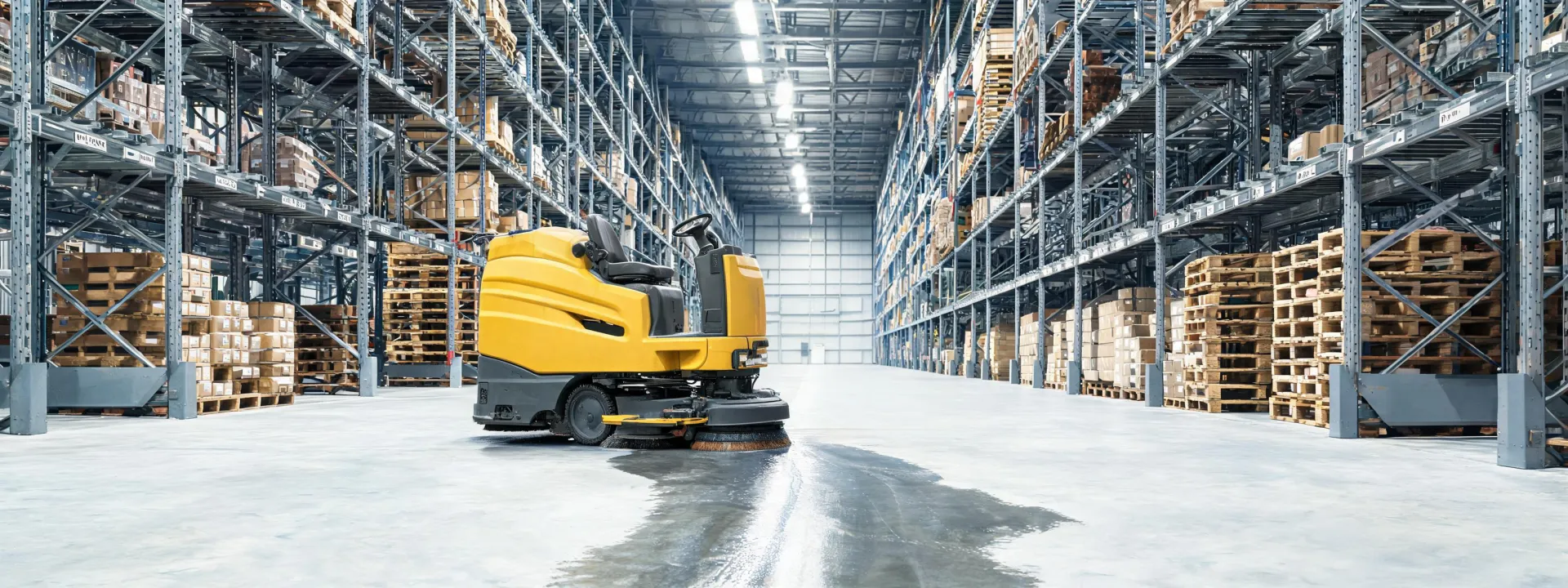
Cleaning equipment is selected differently in a warehouse than in a food corridor or municipal garage. The route, debris, and inspection pressure change the best answer.
Dock traffic, tire marks, pallet debris, and long aisles reward predictable recovery and simple end-of-shift checks.
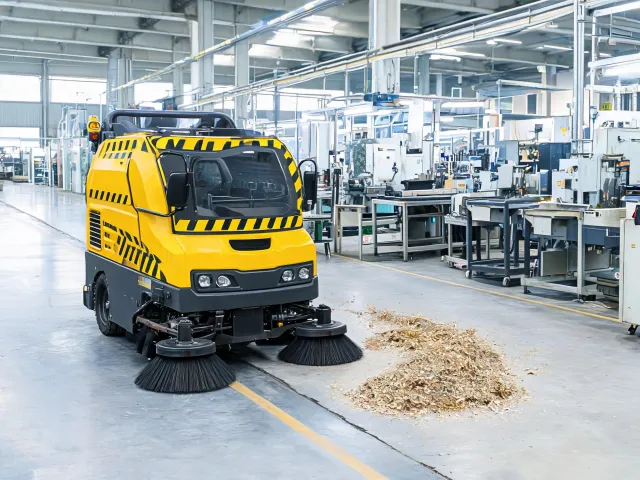
Fabrication dust, coolant mist, chips, and shift overlap make brush selection and debris handling more important than brochure speed.
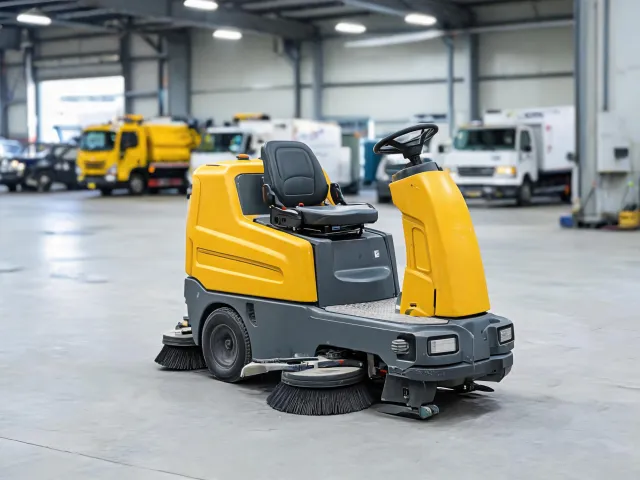
Winter salt, sand, oil film, and vehicle bays call for durable recovery hardware and practical service access.
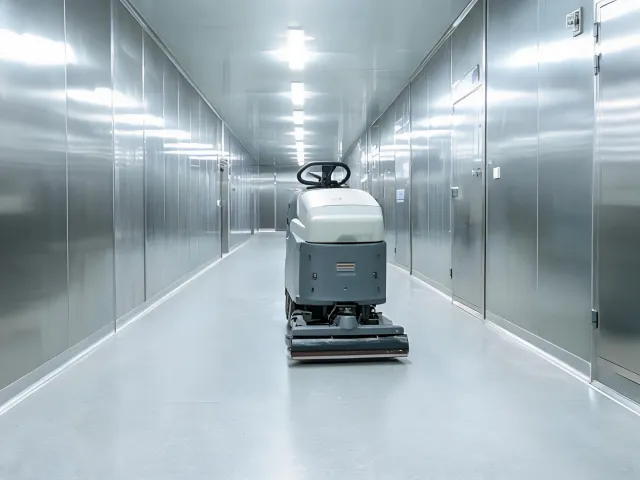
Moisture control, drain access, and sanitation routines require machines that are easy to rinse and inspect.
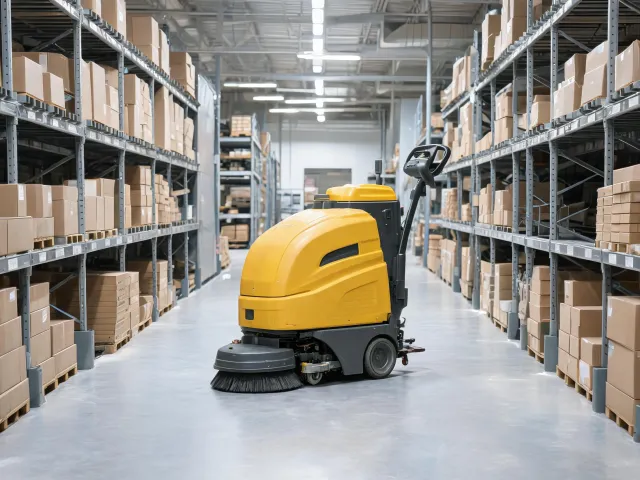
Tight turns, mixed traffic, and short labor windows favor compact machines with fast filling and clear controls.
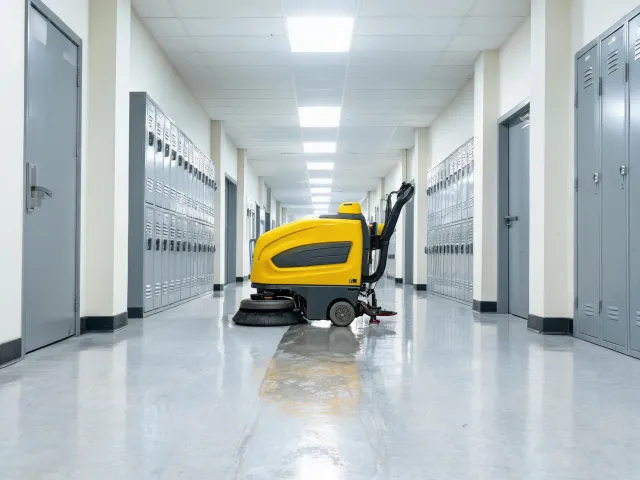
Quiet schedules, mixed floor materials, and limited storage make route planning as important as tank capacity.
Factory Cat application reviews stay close to the floor conditions that operators report every day. A logistics site may need dry debris pickup before wet scrubbing, while a municipal garage may be fighting sand, salt, and oily tire residue in the same shift. A food support corridor usually places more weight on rinse-down discipline, tank access, and visible inspection points. These differences are not marketing details; they decide brush type, water handling, recovery expectations, turning radius, storage location, and the parts that should be stocked before the route becomes critical.
Facility teams can use the same basic intake for each environment: square footage, route length, debris profile, floor surface, drain access, charging window, and how many operators touch the machine in a week. That intake keeps the conversation grounded when comparing a compact scrubber with a rider, a sweeper with a vacuum-supported process, or a service plan with a spare consumable kit. The result is a cleaner machine shortlist and fewer surprises after the first month of use.
The same floor can be cleaned several ways, and each path wins on different ground. This table lays out the trade Factory Cat walks through with a facility — there is no single "best" method, only the right fit for the route.
| Method | Strong where | Weak where | Main operating cost |
|---|---|---|---|
| Wet scrubbing | Sealed concrete, retail and food corridors needing a finished, low-residue floor in one pass | Coarse debris, porous or cracked slabs, areas with no drain or rinse access | Water handling, recovery emptying, squeegee and pad wear |
| Dry sweeping | Loading docks, fabrication lanes, and outdoor-influenced floors with packaging scrap, sand, or chips | Fine film, scuff, and tire marks that sweeping cannot lift | Filter and brush wear, dust containment, hopper emptying |
| Vacuum-supported cleanup | Spot grit, edges, and machine areas a deck cannot reach | Large open floor where it is far slower than a rider | Labor time and filter maintenance |
| Sweep-then-scrub | Mixed-debris industrial floors that need both grit removal and a finished surface | Light-soil sites where the second pass is wasted labor | Two routes, two machines, more total maintenance |
Choosing among these is the recurring debate on an industrial floor. A municipal garage fighting winter salt often sweeps before it scrubs; a clean retail backroom may scrub only. The honest answer depends on debris size, floor seal, drain access, and labor budget — not on which machine looks fastest in a demo.
Send a route sketch, floor material, debris type, and labor window. Factory Cat can help narrow which scrubber or sweeper class deserves a closer look.
Match My Facility