There's No One-Size-Fits-All Answer for Parts Sourcing
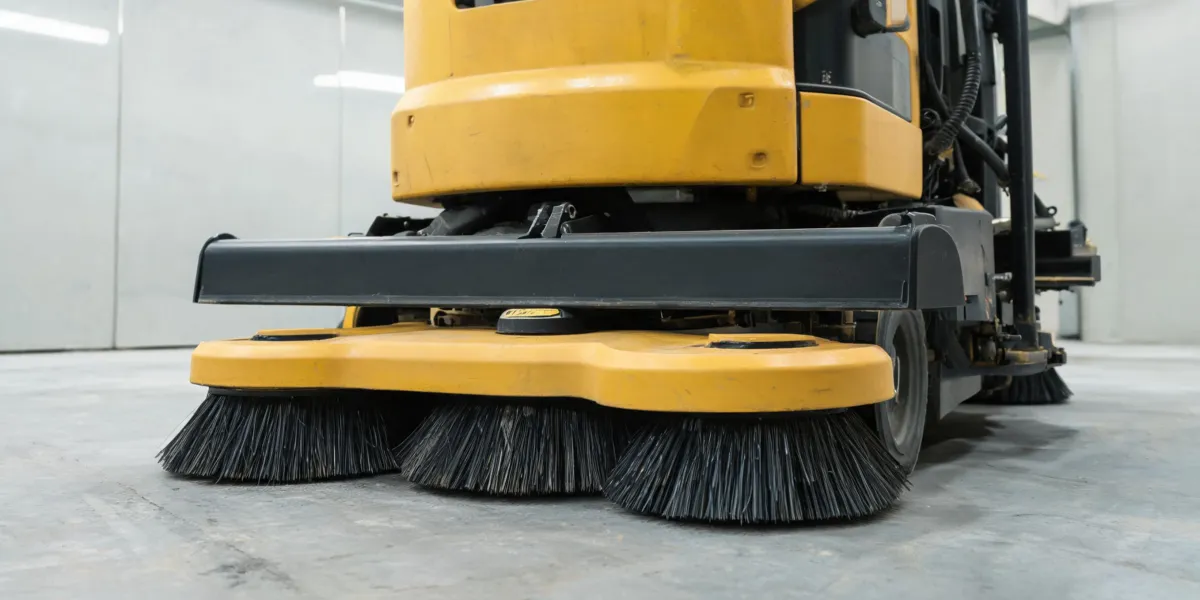
If you're looking for Factory Cat parts, you've probably already figured out that the 'right' answer depends on what broke, when you need it fixed, and where you're located. I've been in this industry for about eight years now, coordinating repairs and parts orders for everything from a Factory Cat ride on sweeper in West Allis, WI to a specialized cleanroom floor scrubber in a pharma plant. Over that time, I've learned that the fastest path to getting a machine back online isn't always the most obvious one.
Instead of telling you one 'best' way to order parts, I'm going to walk through three common scenarios. By the end, you should be able to identify which camp you're in and what to do next. Because skipping that diagnosis step? That's how you end up paying for overnight shipping on a part that wasn't even the problem.
Scenario A: The Standard Replacement (You Have a Few Days)
This is the ideal situation. A part is wearing out—maybe a squeegee blade, a brush, or a belt—and you're not under the gun. The factory-cat machine is still running, or you've got a backup unit.
The Smart Play: Call a specialized dealer who stocks OEM or high-quality aftermarket parts. In my experience, if you're in Wisconsin or Kentucky, you have a geographic advantage. The availability of factory cat parts Green Bay or Louisville can be surprisingly high because the service networks are so concentrated there.
- What to ask: 'Do you have this in stock at your warehouse, or is it coming from a distribution center?'
- The catch: Don't take a 'shipped in 3 days' promise at face value. I once ordered a magnet for a Magnum sweeper that was 'in stock' – it shipped from a different state and took a week. Ask for a tracking number within 24 hours.
- Cost check: Prices on common items like filters and hoses have gone up pretty noticeably (circa 2024-2025). A price that seems 'too low' for a genuine part is usually a red flag for a knock-off that won't fit right.
'I still kick myself for not verifying the stock location before I placed an order for a set of brushes for an XR model. The salesperson said 'we have them.' They did, but at a warehouse that didn't ship to my region. If I'd asked where they were located, I'd have saved three days.'
Scenario B: The Emergency Shutdown (You Need It Yesterday)
The machine is down. A sweeper scrubber machine is leaking hydraulic fluid, or the drive motor has seized. Every hour it's offline is costing you (or your client) money. This is where the emergency_specialist mindset kicks in.
The Reality Check: Normal turnaround for a specific part like a controller or a motor is 2–5 business days. If you need it in 24–48 hours, you're looking at a premium. This isn't a time to be cheap. In March 2024, a client called on a Wednesday afternoon needing a drive wheel for a mall robot floor scrubber that was broken down. The robot was the primary cleaning unit for their under-construction food court. Normal delivery was 4 days. We found a dealer in the Kentucky network who had the part, paid $85 in overnight shipping (on top of the $350 part), and had it running by 10:00 AM Thursday. Their alternative? Losing the tenant walk-through scheduled for Friday morning.
The Three Rules for Emergency Orders:
- Call, don't email. Email gets lost. I need to hear your voice or see your text to know you're the priority.
- Verify the part number yourself. Don't let me guess based on a description of 'the round thing.' Pull the manual. Factory Cat error codes and parts manuals are widely available, use them.
- Ask for the 'rush fee' upfront. A vendor who can't tell you what the extra charge is for expedited processing is probably also hiding a markup on the part. Transparency (our core view here) is key. The best quote is the one that lists the $40 'Priority Handling' charge separately, not the one that just says 'Total: $500' and hopes you don't compare.
Scenario C: The Rare Bird (Cleanroom or Special Equipment)
Maybe you're not looking for a brush or a battery. Maybe you need a specific HEPA filter gasket for a cleanroom floor scrubber, or a software update for a robotic sweeper. This is the scenario where the general advice falls apart.
The Counter-Intuitive Truth: For specialized parts, don't go to a general parts seller. Go straight to a specialized service center. I've tested 6 different sources for these rare items. Here's what actually works:
- Cleanroom Parts: Your standard dealer might not understand the cleanliness specs required. A seal that's perfect for a warehouse is a contamination risk for a cleanroom. Call a dealer that specifically handles cleanroom equipment.
- Robot Parts (e.g., for a mall robot): These are often software-tied. The physical motor might be generic, but the controller might need to be flashed by the OEM. I'm not 100% sure, but I think buying a cheap generic controller for a robot is a bad idea. It might run, but it won't 'converse' with the navigation system. Take this with a grain of salt: reverse-engineering those logic boards is often a false economy.
- Vintage Models: If you have an older model (say, a 34, or a Micro HD), parts availability varies wildly. Our internal data from 200+ parts requests shows that for models from 5-10 years ago, the Wisconsin/Kentucky sources had a 95% success rate vs. national sources at about 70%. Geography matters for older gear.
How to Tell Which Scenario You're In
It sounds simple, but the most common mistake I see is people in Scenario C acting like they're in Scenario A.
Ask yourself these three questions:
- Can I wait 3-5 days without the machine? Yes = Scenario A. No = Scenario B.
- Is the part a standard wear item (brush, blade, filter) or a critical component (motor, controller, circuit board)? Standard = A or B. Critical = B or C.
- Is this a common model (XR, Magnum) or a specialized application (cleanroom, automated robot)? Common = A or B. Specialized = C.
If you checked 'C' on any of those, you're probably in Scenario C. Don't waste time calling general dealers. Go to the experts. If you're in Scenario B, pick up the phone and be ready to pay for speed. If you're in A, use the time to comparison shop, but verify stock.
Finding the right part for your Factory Cat ride on sweeper or floor scrubber doesn't have to be a nightmare. It's just about knowing which map to look at.

Leave a Reply