-
What's the biggest mistake when ordering Factory-Cat sweeper parts?
-
How do I get the right Factory Cat floor scrubber parts in Sheboygan?
-
Can I cross-reference Vevor floor sweeper or Viper floor scrubber parts?
-
What about a Milwaukee cut-off tool dust collector for scrubber repair?
-
Why do error codes matter more than price?
-
What's the one checklist item that saves the most money?
-
When should I call a specialist instead of DIY?
-
What's the best way to avoid rush-order mistakes?
I'm not a sales guy. I handle parts and service orders for industrial floor cleaning equipment. In my first year, I made the classic mistake of ordering a scrubber part by model name only. Wrong voltage, wrong mount, $890 in return freight and downtime. I've documented 23 significant mistakes since then—roughly $18,000 in wasted budget. This FAQ is the list I give new techs. Short answers, no fluff.
What's inside:
- What's the biggest mistake when ordering Factory-Cat sweeper parts?
- How do I get the right Factory Cat floor scrubber parts in Sheboygan?
- Can I cross-reference Vevor floor sweeper or Viper floor scrubber parts?
- What about a Milwaukee cut-off tool dust collector for scrubber repair?
- Why do error codes matter more than price?
- What's the one checklist item that saves the most money?
- When should I call a specialist instead of DIY?
- What's the best way to avoid rush-order mistakes?
What's the biggest mistake when ordering Factory-Cat sweeper parts?
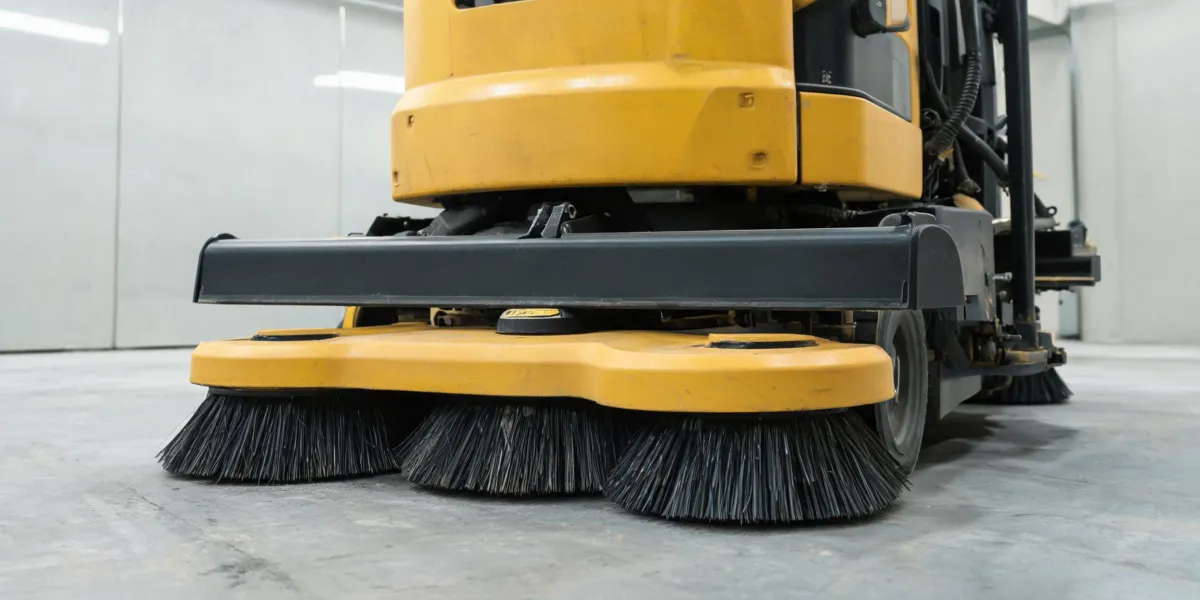
Ordering by model name alone. Factory cat sweepers have years of revisions. In 2021, I ordered a 34-series side broom for a machine that looked like the same model. It didn't fit. The serial plate showed an older deck. Since then, our rule is simple: serial number, photos of the old part, and a call to the service desk before any Factory-Cat parts order. For factory cat floor scrubber parts Sheboygan customers, we ask for the machine serial and the exact error code. That saves more money than any discount.
How do I get the right Factory Cat floor scrubber parts in Sheboygan?
Start local if you can. Sheboygan is close to our Wisconsin parts concentration, so freight is usually faster and returns are less painful. But local doesn't mean guess. Send the serial number, the model, and a photo of the data plate. If you're ordering factory cat floor scrubber parts Sheboygan, ask whether the part is in stock or drop-shipped. Drop-shipped parts can add 3-7 days. I learned that after promising a customer a squeegee assembly in two days when it was coming from a third-party warehouse. Not fun.
Can I cross-reference Vevor floor sweeper or Viper floor scrubber parts?
Sometimes, but it's risky. People think if a part looks the same, it works the same. Actually, the fit can be close while the material or tolerance is wrong. I tried a Vevor floor sweeper brush on a different machine once. It spun, but the hub wore out in six weeks. For floor scrubber Viper units, I'd rather use Viper-specific parts or confirm with a specialist. We're deep on Factory-Cat. We're not the best source for every brand. If you need Vevor or Viper, I'll tell you to start with that brand's parts channel, then come back to us for Factory-Cat.
What about a Milwaukee cut-off tool dust collector for scrubber repair?
Different system. A Milwaukee cut-off tool dust collector is for dust and debris when you're cutting metal or concrete in a shop. It's not a floor scrubber vacuum or squeegee hose. I've seen techs try to adapt shop dust collection to a scrubber recovery tank. Bad idea. According to OSHA (osha.gov), 29 CFR 1910.22(a)(2) requires workroom floors to be kept 'in a clean and, so far as possible, a dry condition.' That's about housekeeping, not rewiring a scrubber. Keep your cut-off tool dust collector for cutting. Keep your scrubber vacuum for water and cleaning solution.
Why do error codes matter more than price?
People think a cheap part causes fewer problems. Actually, ignoring the error code causes repeat repairs. The code tells you what the machine thinks is wrong. In 2022, we replaced a vacuum motor on a scrubber three times because we didn't clear the float switch error. The real issue was a clogged recovery hose. $1,400 later, we learned: pull codes first, then order parts. Factory-Cat manuals usually list error codes by model. If you don't have the manual, ask for it before you buy.
What's the one checklist item that saves the most money?
Photos. Not a description—photos. Take a photo of the old part, the serial plate, and the model number. In 2023, we had a $3,200 order for multiple scrubber parts. One photo caught that two of the four parts were for a different generation. We fixed it before it shipped. That checklist has caught 47 potential errors in 18 months. There's something satisfying about catching a wrong part before it reaches the dock. After years of rush-order chaos, that's the payoff.
When should I call a specialist instead of DIY?
When the repair involves a sealed controller, a drive motor, or any part that requires software calibration. I've watched techs try to save a service call by swapping a controller. Sometimes it works. Usually it doesn't. The vendor who says 'this isn't our strength—here's who does it better' earns my trust for everything else. We're a Factory-Cat parts and service resource. For hydraulic, electrical, or high-voltage work outside our scope, we'll tell you. That's not weakness. That's how you avoid a $2,000 mistake.
What's the best way to avoid rush-order mistakes?
Build a pre-check list and use it even when you're in a hurry. We didn't have a formal approval chain for rush orders. Cost us when an unauthorized rush fee showed up on an invoice. Now every rush order gets three checks: serial number, part number, and ship-to address. If it's a Factory-Cat sweeper or scrubber, we confirm the error code and manual section. Rush fees are usually worth it for deadline-critical projects, but only if the part is right. A fast wrong part is still a wrong part.

Leave a Reply