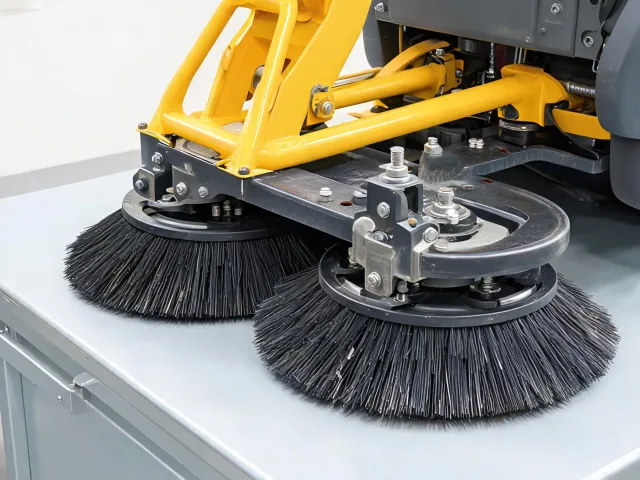
Brush deck fit
Deck geometry, brush access, pad pressure behavior, and splash control shape cleaning quality long after the first demonstration.
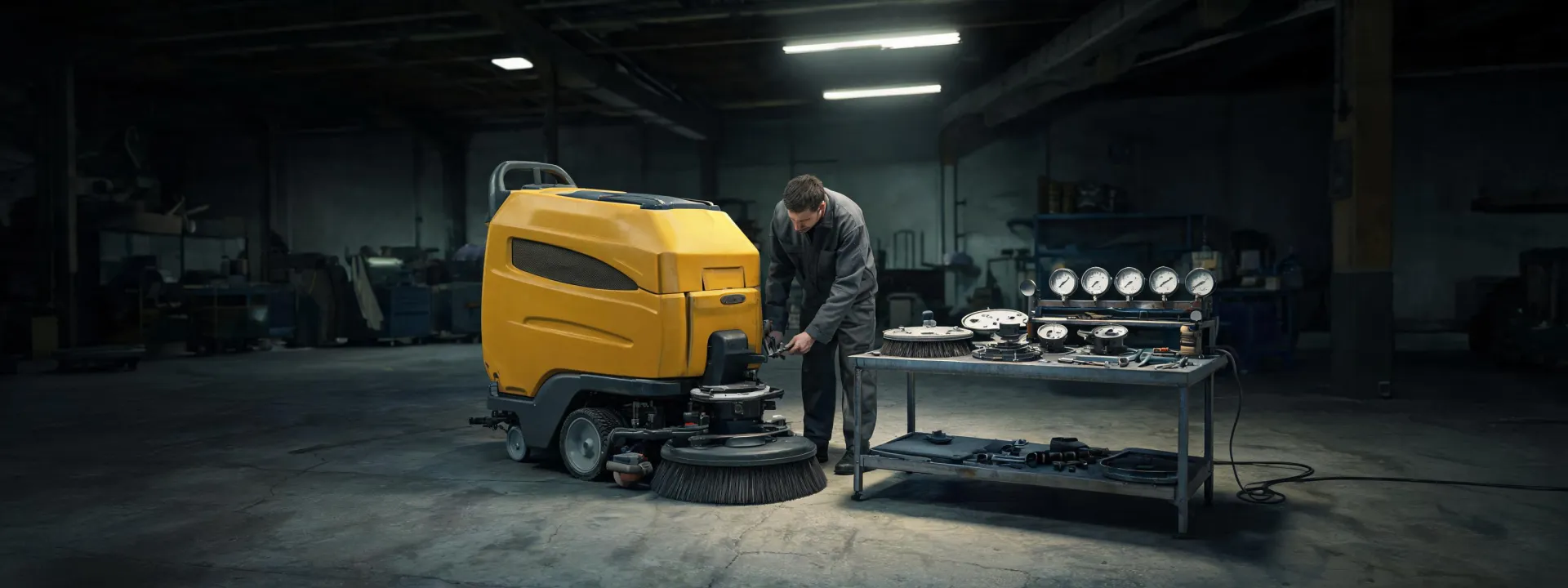
Large facilities do not need mystery around cleaning equipment. They need machines that fit routes, records that support audits, and service habits that can survive shift changes.
Factory Cat is positioned for buyers who would rather measure recovery performance, brush wear, route time, and parts availability than compare showroom adjectives.
The brand voice is no-nonsense because the work is no-nonsense. Warehouse operators, municipal crews, food processing maintenance leads, and manufacturing supervisors all judge floor equipment by how calmly it handles repeated use. A scrubber or sweeper must be easy to inspect, predictable to maintain, and sized to the route instead of forced into it. That is the practical center of the Factory Cat story on this site.
That measurable focus is why every machine discussion on this site is framed around a small set of repeatable checks rather than slogans. A typical pre-approval review walks through 3 floor inputs (surface, debris, moisture), 5 wear groups (brush, pad, squeegee, filter, battery), and 1 route schedule, so a buyer can see exactly where a scrubber or sweeper will spend its operating hours and consumable budget across a working year.
Deck geometry, brush access, pad pressure behavior, and splash control shape cleaning quality long after the first demonstration.
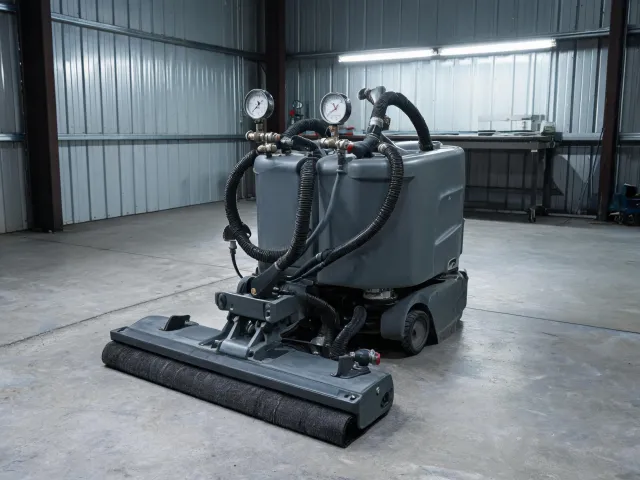
Squeegee blades, vacuum airflow, tank sealing, and hose routing are treated as a single recovery system, not disconnected parts.
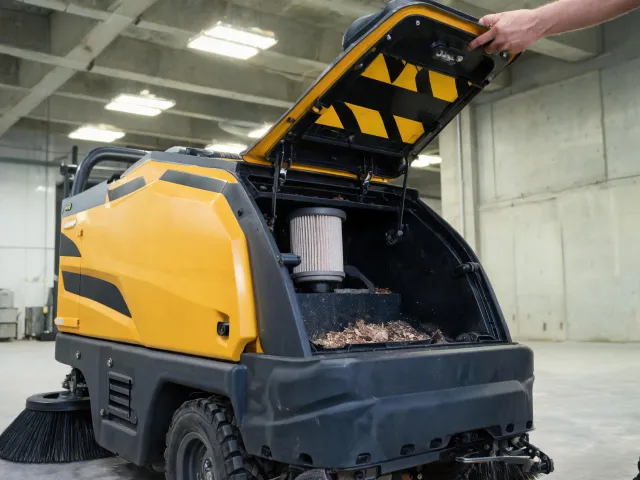
Dry sweeping performance depends on broom contact, hopper access, filter discipline, and how operators handle compacted debris.
These materials are intentionally plain. They help a facility compare operating impact without waiting for a full equipment study, and they keep the discussion anchored in floor conditions rather than abstract model language. When teams already have machine names in mind, the same documents help clarify whether the route needs a compact scrubber, a rider, a sweeper, or a staged parts plan.
Stating these limits up front keeps later conversations grounded. A machine matched to a route it was never sized for produces complaints that read like product failures but are really scope mismatches — the most common reason a cleaning purchase disappoints in its first quarter of use. Factory Cat recommends a documented consumable review every 90 days and a full route re-check once per year, so wear assumptions stay tied to real operating hours rather than a one-time spec sheet.
Factory Cat can help organize model discussions around route time, recovery behavior, and maintenance readiness.
Ask for a Buyer Worksheet