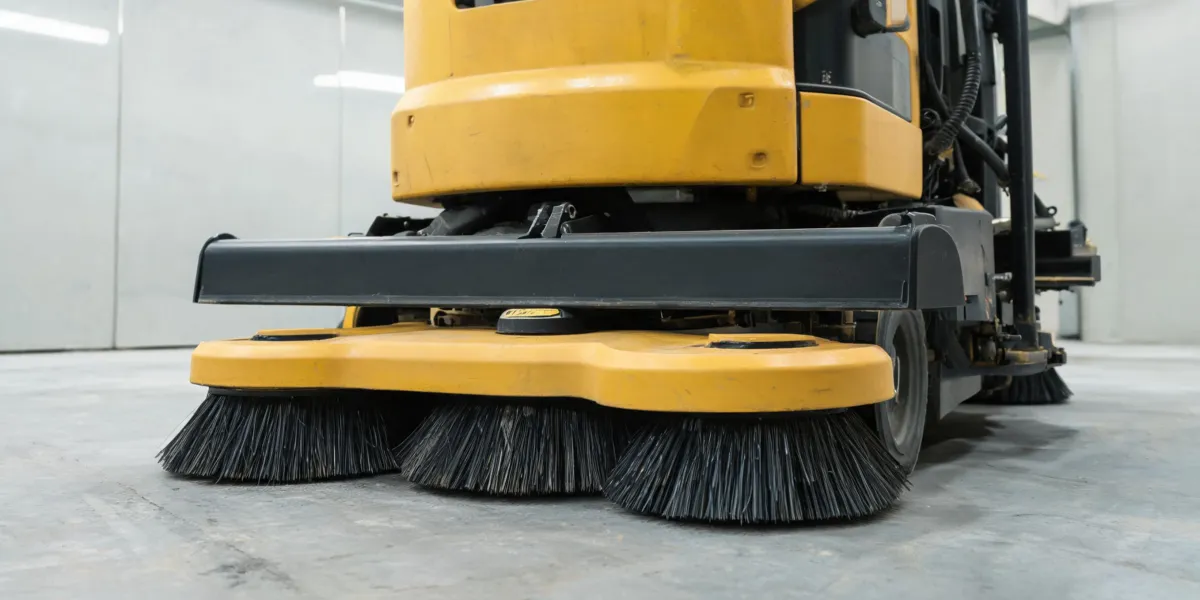
I caught it on a Tuesday morning, about an hour into my inspection queue. A parts order for a T291 floor scrubber was sitting in my review pile, ready to ship out of our Germantown facility. Brushes, squeegee blades, a pad driver — the usual wear-items. Nothing screamed "problem" at first glance.
But I've been doing this long enough to notice when a serial number doesn't line up with the model line it's attached to. And this one didn't.
The serial decoded to a Factory Cat Magnum, not a T291. Two different machines. Two different brush decks. Two completely different parts manuals.
If I'd let that order go, the customer would've gotten a box of parts that didn't fit. Then they'd have to ship them back, wait for replacements, and lose the better part of a week — all because somebody typed a model number from memory instead of reading the plate on the machine.
Where the Confusion Started
I called the facility manager before we processed anything. He was polite, but a little defensive.
"It's a T291," he said. "We've always called it that. It says so in our asset system."
I didn't argue. I just asked him to walk over to the machine and read the nameplate located near the steering column. It took him maybe forty seconds to get there.
"Huh," he said.
The plate read "Magnum 34." The machine was a Factory Cat Magnum, not a T291. Somewhere along the way — probably when the previous building manager set up their asset tracking — the wrong model name got typed in. Everyone after that just repeated it. The T291 label stayed in their system for years, and they ordered parts against it every time. This wasn't the first wrong order they'd placed, just the first one I caught before it shipped.
Here's the thing about those older Factory Cat models: they look similar at a glance. The Magnum 34 and some of the T-series walk-behinds share the same general silhouette. If you're not looking at the model plate, it's easy to assume you know what you're looking at. But the parts are not interchangeable. The brush deck geometry is different. The squeegee mounting is different. Even the drive motor configuration is different on some builds.
What this customer actually needed was the Factory Cat Magnum parts manual. Not the T291 manual. And once we got the right manual in their hands, they realized they had been ordering the wrong brushes for at least two maintenance cycles.
They weren't happy about it. But they were glad we'd made the call.
The Grout Floor Scrubber Question
That same customer had another issue on their list. They were thinking about buying a compact battery ride-on floor scrubber, and they'd been asking around about a "grout floor scrubber" too.
Two different needs, mashed into one search.
Their facility had about 45,000 square feet of warehouse space with smooth concrete floors. That part was straightforward: a compact battery ride-on floor scrubber would handle that beautifully. But they also had a break room and office area with quarry tile floors and wide grout lines. The grout was dark and streaky because their current walk-behind pads would skim right over the grout lines, never actually cleaning down into them.
The facility manager thought he needed one machine that could do both. Maybe a ride-on with heavy-duty brushes. That's a reasonable assumption, but it's not quite right.
Here's what I told him:
"A compact battery ride-on floor scrubber is the right tool for that warehouse floor. But it's not the right tool for deep grout cleaning. Grout lines sit below the surface of the tile. Most scrubber pads and even standard cylindrical brushes won't reach into those recesses consistently. If grout maintenance is the real problem, you need either a machine with aggressive grout-specific brushes and the right chemical, or you need to treat grout cleaning as a separate operation."
He wasn't thrilled to hear that. Who wants to buy two machines? But I've seen too many facilities buy one expensive machine expecting it to solve every floor problem, only to be disappointed when the grout lines look the same three months later.
There is no single floor scrubber that's perfect for open warehouse concrete and deep grout lines. The machine that excels at one will compromise on the other. That's just physics.
If their grout problem was mostly about light, ongoing maintenance — not deep restoration — a walk-behind scrubber with a stiff brush deck and a grout-specific cleaning agent might do the job. If it was severe, they'd need something closer to a grout floor scrubber with high-speed cylindrical brushes, and that's a different investment entirely.
The compact ride-on was still a good idea for the warehouse. It just wasn't going to solve the grout problem.
What Happened Next
We shipped the correct Magnum parts from our Germantown warehouse two days later. The facility manager ordered the Factory Cat Magnum parts manual at the same time, so they'd have the right reference going forward.
The ride-on purchase didn't happen immediately. Instead of rushing into it, they rented a compact battery ride-on floor scrubber for a week and tested it on their warehouse floor. They also tested a smaller walk-behind with grout brushes on the quarry tile. That split approach gave them data instead of guesswork.
I'll be honest — I didn't expect them to handle it that well. A lot of customers get frustrated when you tell them the machine they had their eye on isn't the magic bullet. But this manager appreciated the straight answer. He said something that stuck with me:
"I've had salespeople tell me their machine can do everything. You're the first one who told me what it can't do."
That's not a sales pitch. It's just the truth. In my role, I review equipment specs and parts orders before they go out. I'd rather lose a sale than set up a customer for a machine they'll be frustrated with in six months.
Lessons I'd Pass Along
This story repeats more often than you'd think. Here are the takeaways I come back to after four years of reviewing parts orders and equipment specs:
1. Verify your model number before ordering parts. That sounds obvious, but it's amazing how often the model in your asset system is wrong. Read the plate on the machine. Write it down. Check it against the manual. One phone call can save you from a week of downtime and a restocking headache.
2. The wrong manual is worse than no manual. If you're using a T291 manual to order parts for a Magnum, you're not just wasting money — you're building a pattern of mistakes that compounds over time. Get the Factory Cat Magnum parts manual or whatever manual matches your actual serial number.
3. Match the machine to the surface. A compact battery ride-on floor scrubber is an excellent investment for open warehouse floors. It's not the right tool for deep grout line cleaning. Know the difference before you spend.
4. Good advice means sometimes saying "no." If I recommended that ride-on scrubber to every customer who asked, I'd make more sales in the short term. But I've seen the aftermath of bad fits too many times. The facility that buys the wrong machine ends up resenting the brand, not just the salesperson. An honest recommendation — even if it steers someone away from a purchase — builds more trust in the long run.
Bottom Line
That customer's Magnum is still running today. They've got the right parts, the right manual, and a service plan that actually matches their equipment. And when they do finally buy a compact battery ride-on floor scrubber for that warehouse, I'm confident it'll be the right one — because they'll know what it can and can't do before it arrives.
Whether you're maintaining a T291 floor scrubber, a Magnum, or any other Factory Cat model: check the plate, verify the serial, and don't assume the number in your spreadsheet is the number on the machine. It takes two minutes. It saves a lot more than that.

Leave a Reply