-
What Does Factory Cat Actually Make?
-
What's the Difference Between a Floor Sweeper and a Floor Scrubber?
-
Is a Used Factory Cat Floor Sweeper Worth Buying?
-
Why Do People Search "Factory Cat Walk-Behind Scrubbers Oak Creek WI"?
-
I Need a Floor Sweeper in Denver. What Matters?
-
What's a Floor Sweeper Magnet? Do I Need One?
-
Concrete Sweeper Machine in Memphis: What Should I Check?
-
Does Factory Cat Take Small Orders Seriously?
I review every machine that goes out of our facility—roughly 300 units a year. In 2024, I rejected 8% of first deliveries for spec deviations: brush decks that didn't match the order, battery configurations that were wrong, missing documentation. Not to scare you. To show you that I've spent years looking at what actually goes wrong with these machines, and the decisions buyers make around them.
These are the questions I get from facility managers, maintenance leads, and purchasing folks about Factory Cat sweepers and scrubbers. No pitch. Just the things I'd check if I were buying.
What Does Factory Cat Actually Make?
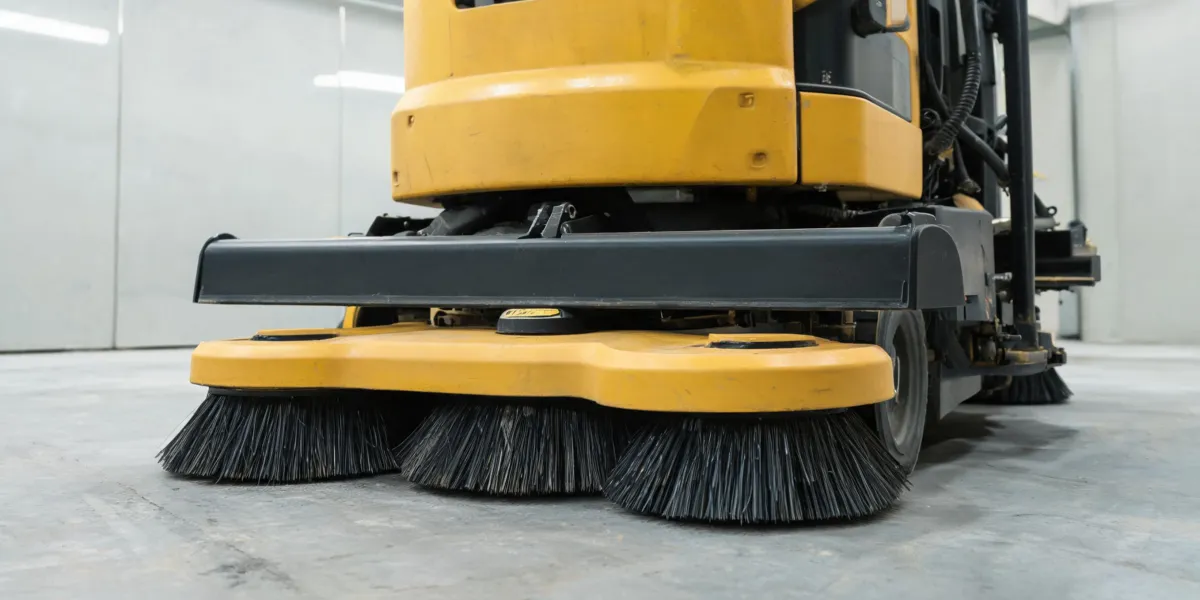
Factory Cat builds walk-behind scrubbers—the 34, XR, Magnum, and Micro HD lines—plus floor sweepers and replacement parts. The focus is mid-size industrial and commercial spaces: warehouses, workshops, auto dealerships, distribution centers, schools. If you're managing 20,000 to 60,000 square feet of concrete, that's the sweet spot. We don't make the giant ride-on aisle sweepers you see in massive fulfillment centers, and that's fine. Most facilities don't need one.
What's the Difference Between a Floor Sweeper and a Floor Scrubber?
Fairly simple. A sweeper picks up dry debris—dust, dirt, granules, light scrap. No water, no chemicals. A scrubber washes the floor using a brush, cleaning solution, and a vacuum squeegee that recovers the dirty water. If your floor has oil, sticky residue, or caked-on grime, a sweeper alone won't fix it. You need a scrubber.
Most facilities actually need both. Sweeper for daily pickup, scrubber for periodic deep cleaning. Under OSHA's walking-working surfaces rule (29 CFR 1910.22), aisles and walkways have to be kept clean and orderly—so this isn't just about appearances. It's compliance.
Is a Used Factory Cat Floor Sweeper Worth Buying?
Depends on the unit, honestly. We've seen used sweepers with 2,000 hours on them run fine for years. We've also seen machines with 400 hours that were never maintained and are basically parts donors. Hours alone don't tell you much.
Before you commit to any used floor sweeper, ask for:
- Battery load test. A battery that won't hold charge is the single biggest hidden cost on a used machine.
- Brush and pad condition. Wear items add up quickly.
- Frame and hopper inspection. Check the underside for cracks or heavy rust.
- Service records, if they exist.
"It ran when we parked it" is not a service record. And if the seller won't show you a battery reading, assume the battery is shot and price that into your offer.
In Q1 2024, we saw a batch of brush decks come in where the mounting holes were 2mm off. Normal tolerance is 0.5mm. The vendor claimed it was "within industry standard." We rejected the whole batch and had them redo it at their cost. That's the kind of verification you want applied to a used machine before you take delivery.
Why Do People Search "Factory Cat Walk-Behind Scrubbers Oak Creek WI"?
Simple reason: Oak Creek is a regional hub for Factory Cat parts and service. When customers search for Factory Cat walk-behind scrubbers in Oak Creek WI, it's because a significant chunk of inventory and technical knowledge sits there. That's geography, not marketing.
Practically, it means faster parts turnaround and access to technicians who've seen those specific machines hundreds of times. It also means error code support. As of January 2025, Factory Cat manual literature covers common error codes—and that's saved more than one facility from paying for a service call just to find out the machine was trying to tell them something simple. If you're dealing with a walk-behind that won't start, checking the manual first is genuinely the right move.
I Need a Floor Sweeper in Denver. What Matters?
Denver has a lot of warehouse and distribution space, which means a lot of concrete floors that collect dust and debris. Availability isn't really the issue. The real question is whether your supplier stocks common wear items or has to order everything. That's the difference between a one-day fix and a two-week wait.
The old mindset was, "the supplier has to be local." That thinking comes from an era before overnight parts shipping and remote diagnostics. That's changed. To be fair, a local technician is nice to have. But for parts, a responsive remote parts team often beats a local dealer who has to backorder everything anyway. Ask the question directly: "What do you actually stock on the shelf?"
Shipping to Denver from our Wisconsin location typically takes 3–5 business days for parts, sometimes less depending on the carrier. Most wear items—brushes, filters, squeegee blades—are common enough that we keep them in regular rotation.
What's a Floor Sweeper Magnet? Do I Need One?
There are two different things going on here. A magnetic sweeper catches ferrous metal: nails, screws, shavings. Common in workshops, fabrication shops, and construction staging areas. A floor sweeper, the kind Factory Cat builds, uses a brush and hopper system for dust and general debris. Some can handle light metal scrap, but they're not designed to be metal separators.
The question to ask yourself: what's actually on your floor? If it's mostly nails and metal chips, a magnet sweeper is cheap and useful. If it's dust, dirt, and regular facility debris, you need a real floor sweeper. A magnet attachment can help in metalworking facilities, but it doesn't replace a vacuum system for fine dust.
Concrete Sweeper Machine in Memphis: What Should I Check?
Memphis has a massive amount of concrete-floor industrial space—logistics, storage, light manufacturing. If you're looking for a concrete sweeper machine in Memphis, focus on three things:
- Filtration. Concrete dust is fine and it gets everywhere. The filter system needs to handle fine particulate, and you want a reasonable filter change interval.
- Brush type. Smooth concrete is fine with standard brushes. Rough or broomed concrete wears brushes faster—plan for that.
- Hopper capacity. If the hopper fills up every 20 minutes, the machine won't get used. Match it to your debris load.
I get why buyers default to the lowest price. Budgets are real. But filter and brush replacements add up. We've seen facilities spend more on wear parts in the first year than they saved on the purchase price. The question everyone asks is "what does it cost?" The question they should ask is "what does it cost to maintain?"
Does Factory Cat Take Small Orders Seriously?
Yes. A single brush set for a 2009 Magnum gets the same verification as a dealership order. When someone calls because they need one filter for an older Micro HD, they get a straight answer about availability and price—not a runaround.
The vendors who treated my small orders with respect when I was starting out are the ones I still work with for bigger ones. Small doesn't mean unimportant. It means potential. And in the equipment world, a small parts order today is often a machine order a few years down the road.
Pricing and availability referenced above are accurate as of Q4 2024. The equipment market moves, so verify current specs and rates before making a decision.

Leave a Reply