-
1. What is the Factory Cat Micro HD?
-
2. How do I find the right Factory Cat floor scrubber parts?
-
3. Can one outdoor sweeper machine handle parking lots and warehouse floors?
-
4. Should I lease a floor scrubber or buy it?
-
5. What error code should I worry about on a Factory Cat?
-
6. Is a Shark 12 in. rechargeable floor & carpet sweeper enough for a facility?
-
7. How long should a Factory Cat floor scrubber last?
-
8. What's the biggest red flag when buying a floor scrubber?
If you're searching for factory-cat equipment — whether that's the Factory Cat Micro HD, replacement parts, or a lease floor scrubber — you probably have a lot of tabs open. I'm a quality/compliance manager at an industrial equipment company. I review every spec sheet and parts order before it reaches customers, maybe 200 a year — actually, closer to 180 if I'm being honest. I've seen the same questions come up again and again. Here are the ones I think are worth answering straight.
1. What is the Factory Cat Micro HD?
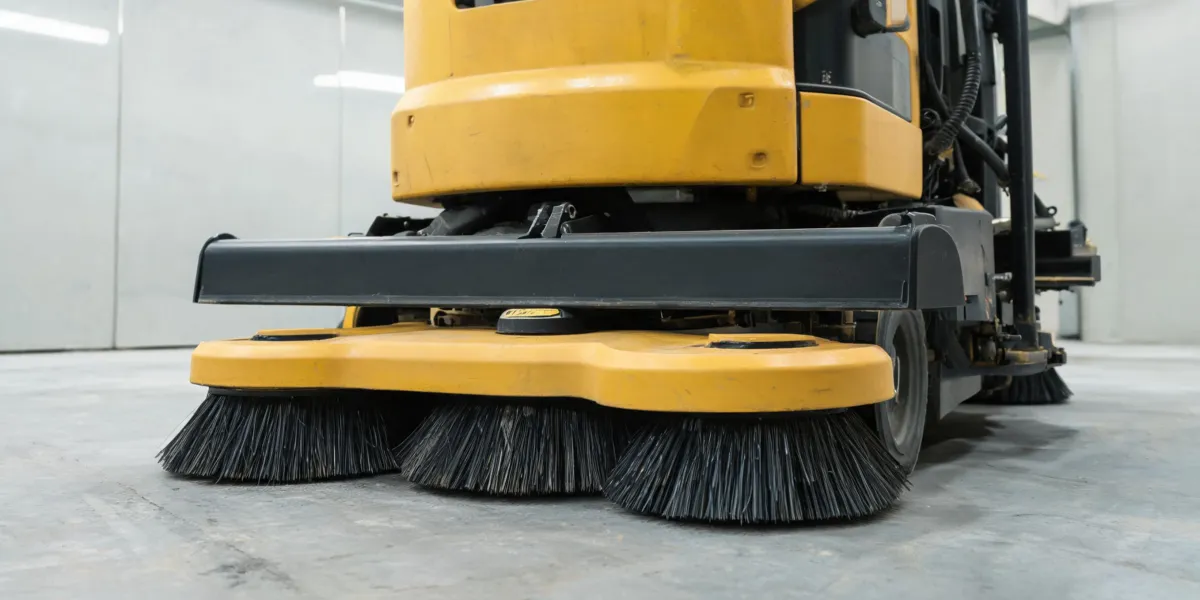
The Micro HD is a compact rider scrubber in Factory Cat's lineup. It's built for facilities where a full-size rider feels too big and a walk-behind takes too long. Warehouse aisles, distribution centers, light manufacturing — that's its home. It scrubs, picks up water, and leaves the floor dry enough for traffic.
What surprises many first-time buyers is the word 'micro' doesn't mean 'toy.' It means smaller footprint. It still has a real squeegee, real brushes, and the same kind of control system you'd expect on a larger machine. I've had facility managers ask if it's basically an oversized home scrubber. It's not. If you're managing a facility with tight turns but heavy daily dirt, this is the model to put on your short list.
2. How do I find the right Factory Cat floor scrubber parts?
Start with the machine's serial number plate, not the model name. Model names help, but serial numbers are how the manufacturer knows exactly which revision of the machine you have. I've rejected parts orders because the part number was off by one digit — no, one letter. A 'B' instead of an 'A' can mean a completely different drive brush.
When you're looking at Factory Cat floor scrubber parts, check the online parts manual if you can. There's also error code support, which is valuable when a machine is down. And if a dealer says 'this should fit,' ask them to verify against your serial number. In Q1 2024, we received a batch of aftermarket squeegee blades labeled for a popular model. They were a quarter-inch narrower than spec. The vendor said they were 'within industry standard.' We sent them back, and the replacement was correct. That kind of drift is why verification matters.
One more thing: I knew I should double-check the brush deck part number before ordering, but I thought, 'what are the odds? It's basically the same.' It wasn't. The brushes didn't engage. $400 mistake. Now every order gets checked against the serial number.
3. Can one outdoor sweeper machine handle parking lots and warehouse floors?
Sometimes, but not as often as the brochure suggests. An outdoor sweeper machine is built to pick up dirt, rocks, leaves, and litter. A warehouse floor needs sweeping and often scrubbing. Those are different jobs. A single machine can do both if you're willing to change the brush or sweeping deck, but you have to choose a model that actually accepts that configuration.
I'm not 100% sure why some vendors blur the line between 'outdoor' and 'industrial indoor' in their specs. My best guess is that a wide application section helps sales. In practice, ask the manufacturer: What's the recommended surface for this sweeper? What's the changeover time? How long does the filter last on heavy debris? Also think about dust. An outdoor sweeper machine that picks up fine dust needs good filtration, or you'll just blow it around. Don't let 'one machine does all' replace a written list of your surfaces.
4. Should I lease a floor scrubber or buy it?
If your facility needs a machine six days a week, buying usually makes sense. If your operation is seasonal or you're not sure the floor scrubber will be used long-term, a lease floor scrubber option can preserve cash and let you trade up when the term ends. I've seen both work. Leasing is also a useful way to test a model before making a more permanent purchase decision.
But read the maintenance clause before signing. I knew I should read it line by line, but thought, 'we've leased equipment before, how different can it be?' That was the one time the lease excluded all consumables — brushes, squeegees, even the battery cable. The rental bill stayed low, but the replacement parts ate the savings. By the end of 18 months, the total lease cost was higher than buying used.
Pricing ranges vary. Don't hold me to this, but for a basic industrial scrubber lease, I've seen quotes roughly $300 to $700 per month. Verify current rates with a dealer — and ask what maintenance and parts are included.
5. What error code should I worry about on a Factory Cat?
First, an error code isn't a breakdown. It's the machine trying to tell you what's wrong. I've seen operators panic over a code that just meant the recovery tank float had activated. That's a five-minute fix. Which code should worry you? Battery voltage and charger faults. Ignoring those can turn a small issue into a $4,000 battery replacement.
It helps to keep the manual near the machine, not in a drawer. Factory Cat machines have documentation and error code support for a reason. This is true for the smaller models — or rather, especially for the Micro HD, because the electrical system is compact and leaves less room for guessing. And if you're not sure what a code means, call the dealership with the model and code before ordering parts. That call has saved me more than once.
6. Is a Shark 12 in. rechargeable floor & carpet sweeper enough for a facility?
This is a real question we get, usually from someone who saw a small automated sweeper on sale. The Shark 12 in. rechargeable floor & carpet sweeper is fine for a small office, break room, or carpeted lobby. It is not a substitute for an industrial floor scrubber. It doesn't scrub, it doesn't have tank capacity, and it's not sized for continuous facility use.
If you're searching for that small sweeper because your floors are mostly dry and low-traffic, maybe it's enough. But if you're also looking at an outdoor sweeper machine or a lease floor scrubber, you already know the surface area is bigger than a home cleaner can handle. There are industrial walk-behind sweepers if you need something between a consumer rechargeable unit and a rider. Buy the right tool for the worst condition you'll see, not the average one.
7. How long should a Factory Cat floor scrubber last?
That depends more on maintenance than on the model. A rider scrubber that gets regular service can last eight to ten years. I've seen units with over 6,000 hours still working well — and one that needed a new hydraulic motor at 1,200 hours because the owner never cleaned the filters. The machine doesn't fail by itself; it fails because someone skipped a step.
Don't hold me to this, but I'd plan on batteries lasting three to five years, brushes and squeegees depending on surface grit, and filters as often as the manual says. If a repair estimate is more than half the machine's value, replace it. If it's just a worn brush or a cracked hose, repair it. And if you're buying used, ask for service history.
8. What's the biggest red flag when buying a floor scrubber?
Zero maintenance. If a seller says a powered floor scrubber requires no maintenance, that's a marketing claim, not a technical one. Per FTC advertising guidelines (ftc.gov), claims should be truthful and substantiated — and in four years of reviewing equipment, I've never seen a scrubber that runs forever. You will replace brushes, squeegees, filters, and eventually batteries. That's part of owning real equipment.
One question people forget to ask: how fast can I get parts? I said 'we need the part as soon as possible.' The dealer heard 'whenever convenient.' The machine sat a week. Ask specifically: do you stock brushes and squeegees for this model, or are they special order? Factory Cat's parts and service are concentrated in Wisconsin and Kentucky, so those regions tend to have faster fulfillment — but your local distributor should still confirm the lead time before you buy.

Leave a Reply