It started with a phone call at 4:07 p.m. on a Tuesday. I remember the time because I was already in my truck, ready to head home when my cell buzzed. On the other end was a facility manager from a distribution center about two hours south of us. He didn't even say hello.
“You got anything that can scrub a 150,000-square-foot warehouse by 7 a.m.? Because our Unipro floor scrubber just died on us.”
That's the kind of call that makes floor scrubber news—at least the kind we pay attention to. When a machine goes down in the middle of the week, and you have a corporate safety audit the next morning, normal turnaround times don't matter anymore.
I'm the emergency service coordinator at a Factory Cat dealer in Wisconsin. In the last three years, I've handled about 200 rush orders for industrial floor scrubbers and sweepers. Some were simple parts orders. A few were repair jobs. This one was a full-machine delivery with a ticking clock.
The Wrong Machine Would Have Been Worse Than No Machine
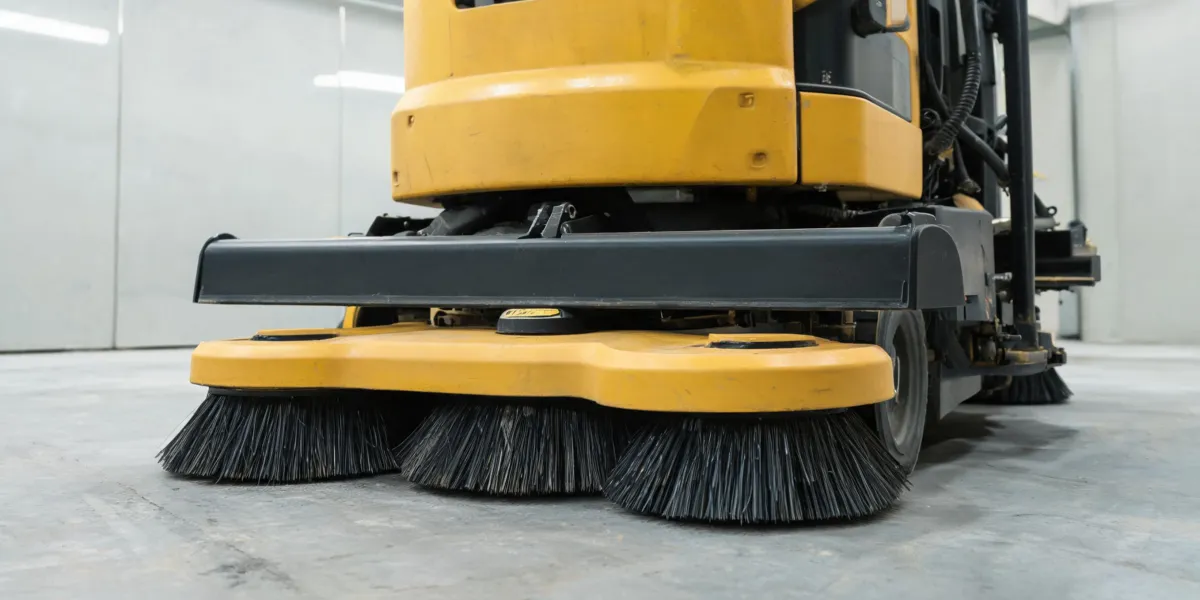
We had a factory cat 34 for sale in our inventory. It's a dependable walk-behind scrubber built for dirty concrete, tight aisles, and long shifts. The manager thought about it for a second, then asked the question I'd been waiting for.
“Could we do an orbital floor cleaning machine instead? It's cheaper.”
Orbital machines have their place. They're great for maintaining polished or coated concrete, and they're kind to surfaces. But they're not meant to chew through weeks of built-up grime on raw warehouse floor. This wasn't the time for a compromise.
“If I send you that orbital machine,” I said, “you'll be scrubbing the same spot for three hours and still fail your audit. This isn't about the sticker price—it's about the outcome.”
He grudgingly agreed. The difference was about $400. That $400 seemed like a lot to him in the moment. It would've been nothing next to the cost of a failed safety audit. Or worse, a slip-and-fall incident that could've been traced back to a dirty floor.
That's when I realized the sale wasn't about the machine. It was about his perception of our company. If we sent him something that didn't work, he wouldn't blame the machine. He'd blame us.
Then Everything Went Sideways
We prepped the Factory Cat 34 for delivery. The batteries were drained, so we plugged it into the charger. Nothing. Dead charger. My stomach dropped.
I called one of the other factory cat floor scrubber dealers in our network, about 40 minutes up the road. They had a compatible charger in stock and agreed to meet our driver halfway. We paid $85 in extra fuel and hand-delivery fees for a part that normally ships for $15. Annoying, but cheaper than losing the deal.
Then the second hiccup: the replacement charger didn't have the right connector. I know, right? The model was the same, but the pin configuration was different. It's the kind of detail that doesn't show up in the parts book until you're holding the thing in your hand.
For a half hour, I was sure we'd have to call the customer and tell him we couldn't help. The thought of making that call made my stomach churn again. But then our shop tech remembered a used adapter we'd kept in the back. It was dusty, ugly, but functional. We soldered it on and held our breath.
The charger worked.
The 11:04 p.m. Delivery
We rolled the Factory Cat 34 off the trailer at 11:04 p.m. The facility manager was still there, pacing in the loading bay. I'd texted him updates every twenty minutes, but I don't think he believed we were coming until he saw the machine.
He didn't say much. He just pointed to the floor near the racks. “Try that section,” he said. The stains were old coffee and oil drips that had been there for months.
I fired up the machine, set the brush pressure, and made a pass. The concrete came up gray and clean. He stood there watching, then took the handle from me and did a few passes himself. When he turned back, there was something like relief in his eyes.
“This machine feels solid,” he said. “The old one always felt like it was about to fall apart.”
We finished at 12:30 a.m. He signed the paperwork, and I drove home with the windows down, running on adrenaline.
Quality is Your Brand Image
The audit passed the next morning. He sent me a photo of the safety board with a green “PASS” sticker on it. Then, two weeks later, his company ordered another Factory Cat 34 for their second site.
That's how it works in this business. People forget the price you quoted. They forget the exact model you sold them. But they remember the night you showed up at 11 p.m. with a machine that actually did what you promised.
In my role coordinating emergency service, I've seen how clients react when things go right—and when they go wrong. A bad experience sticks with them forever. A good one becomes the story they tell their colleagues.
I can only speak to our experience: about 200 rush orders in three years, mostly for mid-size warehouses and food processing plants in Wisconsin and Kentucky. If you're in a different region or industry, your mileage may vary. But I'd bet the principle stays the same.
Sure, an orbital floor cleaning machine might have been $800 cheaper. But the total cost isn't just the price tag. It's the floor that still looks dirty. It's the auditor's red flag. It's the customer who remembers you as the company that sold them a machine that didn't work.
As the FTC's advertising guidelines say, claims need to be substantiated. We don't tell customers our machines are zero-maintenance or impossible to break. Because that's not true, and they'd find out eventually. What we do promise is that we'll be there when you need us—and that the machine will perform as advertised.
So, glad we had that Factory Cat 34 in the inventory. Almost suggested the orbital machine just to close the deal quicker. That would've been a mistake.
(Note to self: add “before promising a charger, check the connector” to the emergency checklist.)

Leave a Reply