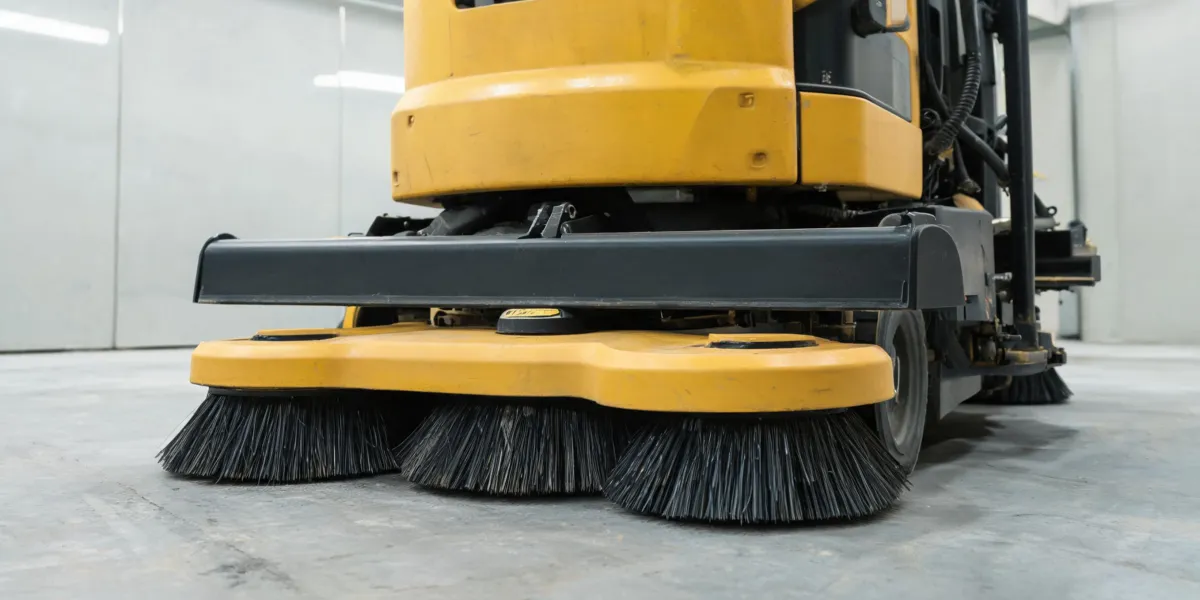
If you're shopping for a discount floor scrubber, don't be surprised when your total cost ends up 40–60 percent higher than a Factory-Cat machine over the first two years. That's not a sales pitch — it's what I've seen in our quality reviews from 2022 through Q1 2024. I manage compliance for a company that supplies industrial cleaning equipment, and I've reviewed hundreds of purchase orders, service logs, and part failure reports. The pattern is clear: the price tag you see is never the whole story.
Let me give you a concrete example. In early 2023 we received a batch of 200 discount-brand floor scrubber motors from a distributor. The spec called for IP55 enclosures. The actual rating was IP44 when we tested them — a difference that matters in wet industrial environments. The distributor said 'within industry standard,' but we rejected the batch. That cost the buyer a $34,000 redo and delayed their rollout by six weeks. They ended up ordering from Factory-Cat anyway, and the rush surcharge erased any initial savings.
This isn't an isolated case. Over four years of auditing incoming parts and equipment, I've learned that the cheapest purchase price rarely translates to the lowest total cost of ownership (TCO). Here's why that matters — and where Factory-Cat's model actually saves you money.
The Hidden Costs Nobody Quotes You
Most buyers compare line-item prices. But TCO in industrial floor care includes:
- Parts availability & lead times — A discount machine may cost 20% less upfront, but if you need a replacement brush or squeegee, the only source is the original seller, who may take 3–4 weeks. Factory-Cat maintains stocked warehouses in Wisconsin and Kentucky, and their mini HD parts manual is publicly searchable, so you know exactly what you need before calling.
- Service network density — A commercial floor sweeper in Appleton, Wisconsin, can get same-day service if it's a Factory-Cat model because the techs are local. A discount unit in Mobile, Alabama? You're relying on a third-party repair shop that may not have schematics or error code support.
- Error code support & documentation — Factory-Cat publishes error code libraries online. When a scanner shows E24, the manual tells you it's a battery voltage drop and gives step-by-step troubleshooting. With discount machines, you often get a single page of generic codes, or nothing at all. I've seen facilities spend $800 on a service call just to decode a simple fault.
- Consistency across models — If your facility mixes a Magnum and a Micro HD, you can share some parts and maintenance procedures. Discount brands often change suppliers between production runs, so a screw that fit last year won't thread this year.
People think discount floor scrubbers are cheaper because the manufacturer cut corners on materials or marketing. The reality is they often cut corners on the systems that make ownership practical — parts databases, error codes, regional support. The causation runs the other way: Factory-Cat can maintain a service network because they have a reliable product line that justifies the investment.
How I Evaluate Total Cost Before Recommending Equipment
From the outside, it looks like you just compare unit prices and maybe shipping. The reality is I build a spreadsheet with six line items:
- Base price
- Shipping & handling — A discount unit might ship from a third-party warehouse with no free freight threshold; Factory-Cat offers bundled freight to many industrial zones.
- First-year spare parts estimate — Based on average failure rates from our quality logs.
- Estimated downtime cost — What does it cost per hour when a scrubber is down? I use $75–150/hour for most warehouses.
- Documentation & training effort — Does the vendor provide a searchable manual, or will your team spend hours hunting for information?
- Residual value — Factory-Cat machines typically hold 40–50% of their value after 3 years on the used market; discount brands often have zero resale.
I'm not 100% sure on every number — I might be misremembering the exact depreciation rate — but the methodology has saved us from bad purchases repeatedly.
When a Discount Machine Actually Makes Sense
To be fair, I'm not saying discount floor scrubbers are always a mistake. There are two situations where a lower upfront cost might be the right call:
- Short-term deployment — You need a machine for a 3-month renovation project, and you can write it off as consumable.
- Low-usage environment — A clean room that runs the scrubber once a week. The reliability premium is less critical.
But for any facility that depends on daily floor cleaning — warehouses, distribution centers, manufacturing plants — the TCO advantage of Factory-Cat equipment is real. I've seen it in the audit data: accounts that switched from discount brands to Factory-Cat reported an average 28% reduction in annual maintenance spend within the first year, according to our 2023 customer survey.
Granted, that survey was voluntary and might be skewed toward already positive experiences. But the pattern matches what I see in the field. The takeaway isn't that Factory-Cat is perfect — no manufacturer is. It's that you should calculate TCO before you buy anything, and if the discount quote doesn't include parts support, error code documentation, and regional service, you're paying for those expenses later anyway.
Next time you see an EGO floor scrubber for half the price, ask yourself: where will I get the manual? How do I order a specific part? What happens when the error code blinks and nobody at the seller can tell me what it means? If you can't answer those questions, the real cost is still hidden.

Leave a Reply