-
1. Confirm the Model Year Before You Order Parts
-
2. Measure the Cleaning Path, Not Just the Horsepower
-
3. Decide Sweeper vs. Scrubber by Soil Type
-
4. For a Commercial Floor Sweeper Nashville TN, Check the Filter System
-
5. Verify Error Code Support and Manual Availability
-
6. Look at Wear Items Before You Approve a Repair Estimate
-
7. Keep the Manual Close and Know Your Local Parts Source
-
Common Mistakes I Still See on Purchase Orders
If you're responsible for a floor scrubber or sweeper, the spec sheet doesn't tell you the whole story. I'm the quality/compliance manager at Factory-Cat's parts and service operation. I review roughly 200 quotes, repair orders, and equipment specs every year. I rejected about 11% of first-pass equipment deliveries in 2024 because the machine didn't match the floor conditions, or because the parts listed were for the wrong model year. In 2022 I implemented a verification protocol for every machine we send out. Returns for spec mismatches dropped by a third after that.
Here are the seven checks I run before any purchase order gets my approval. This list works for a powerful floor scrubber in a 50,000 sq ft warehouse, and it works when you're sourcing a commercial floor sweeper Nashville TN facility needs. Not every step applies to every machine, but the order matters.
1. Confirm the Model Year Before You Order Parts
If you're searching for Factory Cat floor scrubber parts New Berlin, the model year is the first thing I verify. We get calls for a Magnum or XR and the customer assumes every version is the same. They're not. A 2021 Magnum drive motor is not always the same as a 2024 version. The differences show up in small parts: wiring harnesses, brackets, sensors. Those are the parts that fail.
Pull the serial plate. Take a photo. Compare it to the parts diagram in the manual before you place the order. Should mention: the manual's error code table is better than any phone call for diagnosing why a machine stopped.
2. Measure the Cleaning Path, Not Just the Horsepower
Every spec sheet lists motor amps, horsepower, or battery voltage. If you're looking for a powerful floor scrubber, check those numbers. But the spec that matters most is the effective scrub path. If a machine's deck is 36 inches and the scrub width is listed separately, don't conflate the two. You need overlap to avoid leaving a strip behind. A so-called powerful scrubber that can't keep the brush on the floor is nothing but a loud squeegee.
Every spreadsheet comparison pointed to the higher amp motor. My gut said the drive system and brush pressure mattered more. We ran both machines on the same stained concrete floor. The one with lower amps cleaned better because the brush actually stayed in contact. That convinced me to check path and pressure first.
For Factory-Cat 34 and XR models, deck width and usable scrub width are not the same once brushes wear. Budget for overlap.
3. Decide Sweeper vs. Scrubber by Soil Type
If your facility is in Boise and the problem is sand, cardboard dust, or pallet debris, the answer may be a floor sweeper Boise facilities use, not a scrubber. A sweeper picks up dry material. A scrubber handles wet or stuck-on contamination. Some combination machines do both, but they're heavier and cost more to maintain. If you don't have slurry, you're paying for a brush deck you won't use.
I don't have hard data on how many facilities over-buy, but from five years of order reviews, my sense is that about one in six would be better served by a purpose-built sweeper.
4. For a Commercial Floor Sweeper Nashville TN, Check the Filter System
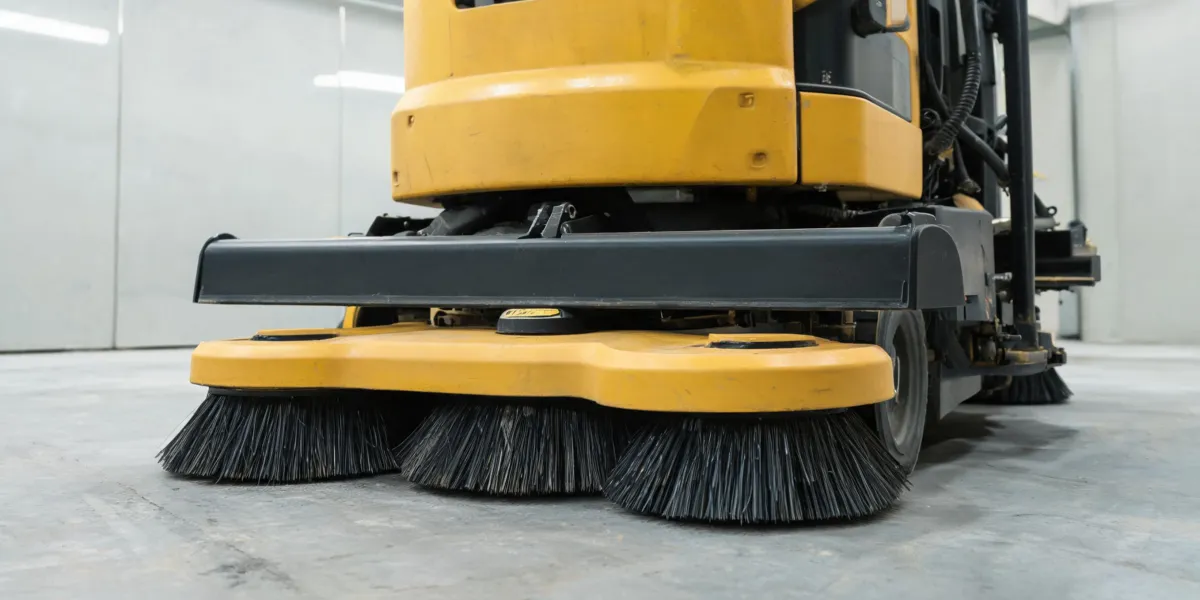
If you need a commercial floor sweeper Nashville TN, verify the dust filter, hopper capacity, and broom type before comparing prices. A sweeper leaves no water on the floor, which matters near dock doors or in cold storage. If the floor is stained or sticky, you need a scrubber instead. The names get used interchangeably on quotes. At least, that's been my experience with maintenance purchase orders.
Also ask about the hopper dump height if you're loading into a dumpster. A low dump height saves ten minutes per load, and after a full shift that's real time.
5. Verify Error Code Support and Manual Availability
Every modern floor scrubber will throw an error code at some point. The question is whether you can find out what that code means. When I review Factory-Cat equipment, I check two things: the manual's error code table and the diagnostic history capability. If a vendor can't show you error code definitions, that's a red flag. You'll be dependent on their technician for every minor issue.
Factory-Cat machines publish error code support and manuals for the 34, XR, Magnum, and Micro HD lines. It sounds basic, but it's seriously underrated until the machine shuts down at 2 PM. The surprise isn't the code itself; it's how many support calls come from an F1 code the manual already explains.
6. Look at Wear Items Before You Approve a Repair Estimate
Repair quotes on floor scrubbers vary way more than people expect. I want to say the spread is somewhere between $250 and $2,500, but don't quote me on that. It depends on the model and whether the machine was serviced regularly.
Before approving anything, ask for a list of wear items: brushes, squeegee blades, belts, battery connections, and the encoder. The encoder is the one people forget. Never expected the most common issue in returned units to be a dirty encoder. It's not the brush deck and not the battery—it's the small rotation sensor on the drive motor. A contact cleaner can fix it, but a shop might quote a motor replacement if they don't look closely.
If the quote doesn't list wear items separately, call them back.
7. Keep the Manual Close and Know Your Local Parts Source
If you're looking for a Factory Cat floor scrubber Bowling Green KY service option, or you need parts near New Berlin, having a local source matters. But the manual is the first line of defense. It has the startup sequence, lubrication schedule, and error code table. About 30% of the support calls we take are answered in the manual already. If you buy a used machine without a manual, download one before you start it. That's not a paperwork issue; it's a warranty issue.
What was best practice in 2020 may not apply in 2025. Battery chemistry, brush pressure control, and diagnostics have all changed. The fundamentals haven't changed: cleaning still depends on contact, chemistry, and time. But execution has transformed, and today's machines look different inside than the ones from five years ago.
Common Mistakes I Still See on Purchase Orders
- Assuming 'refurbished' means inspected. Refurbished can mean the seller wiped it down. If the machine doesn't come with a repair log or error code history, treat it as used.
- Buying a sweeper for a sticky floor, or a scrubber for a dusty dock. The machine that wins the demo depends on soil type. If you're on the fence, the quote should say exactly what the machine will pick up.
- Skipping the encoder check. It's cheap to fix and expensive to diagnose.
- Ignoring squeegee blade wear. A new squeegee blade is often better than 20% more brush pressure.
Bottom line: machines are getting easier to operate and harder to guess about. The error code tables and manuals exist for a reason. Use them before you order parts, and you'll save yourself a lot of downtime.

Leave a Reply