The Search Term That Started It
A few weeks ago, a friend sent me a link with the subject line 'the biscuit factory cat lounge photos.' I clicked it, because who wouldn't? There was a gray tabby named Butterball asleep on a pallet of flour bags in a cookie plant. Cute.
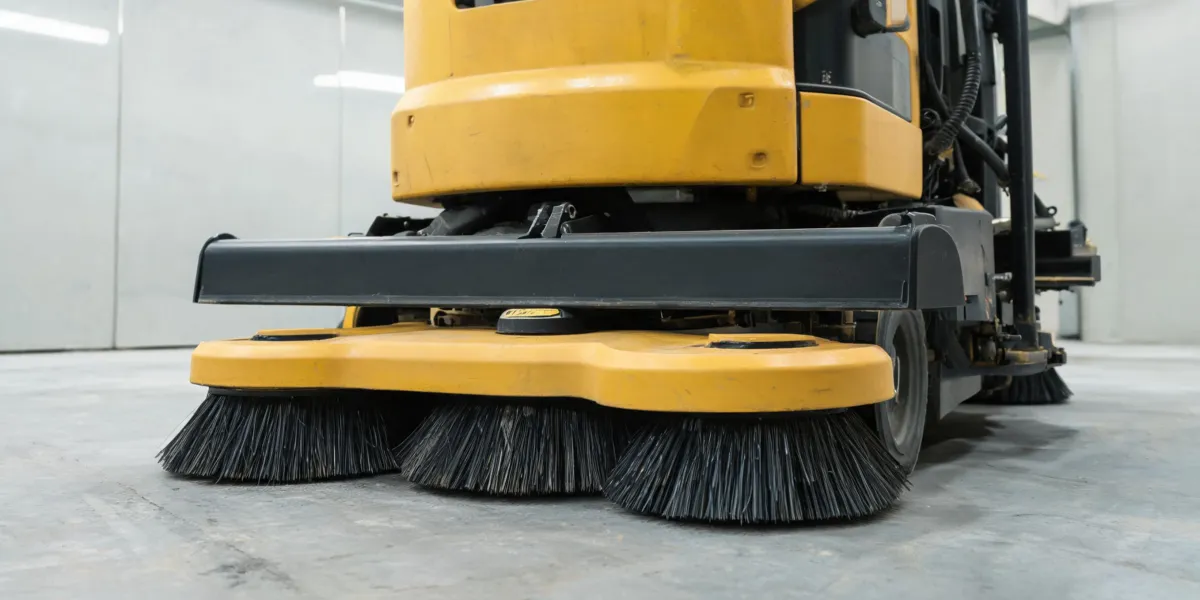
Meanwhile, in the actual biscuit factory where I work, the only cat we have is a Factory-Cat floor scrubber. And keeping that machine running has taught me more about procurement than any vendor white paper ever did.
The Spreadsheet That Made Me a Scrubber Snob
I'm the procurement manager at a 180-person snack food plant in Wisconsin. I manage a facilities budget of about $380,000 a year. For the last seven years, I've tracked every invoice in a spreadsheet my team calls 'The Ledger of Pain.' That spreadsheet is the reason I have opinions about floor scrubbers.
Two years ago, our old indoor floor scrubber died. Well, it didn't just die. It slowly, painfully, and expensively stopped being worth fixing. The service log showed four breakdowns in eight months. The last repair quote was $6,000 for a machine with 4,000 hours on it. My boss said replace it. I said not yet—let me do the math.
Three Quotes, One Hidden Cost
I did what I always do: built a comparison spreadsheet with three options.
The first option was a Lavex floor scrubber. It looked good on paper. The price was about 18% lower than the other two quotes. The spec sheet was fine. The delivery time was fine. I almost signed.
Then I added a line item for service. That particular quote didn't include local support. The machine would need to be shipped to a regional depot if the electrical system had issues, and the quote didn't include crating, freight, or the cost of renting a machine while it was gone. Once I calculated total cost of ownership (i.e., not just the sticker price), that 18% difference disappeared. What I mean is that the 'cheapest' option is not just the price on the quote; it's the cost of every hour without a machine, every emergency call, every rental. A Lavex machine might be a great fit for a plant with an in-house technician. Our plant isn't that plant.
The second option was a used machine from an equipment auction. It came with a note about a 'minor cosmetic issue.' I've learned that phrase usually means the seller doesn't know what's wrong. I passed.
The third option came from searching for factory cat floor scrubber dealers. It's an odd phrase to type into Google, but it worked. A service center about an hour from our plant carried Factory-Cat models and offered a preventive maintenance contract.
Here's where the story gets interesting.
The Error Code That Changed My Mind
Our old scrubber threw an E-10 error code. The tech didn't have the manual. I went online and, out of habit, typed 'tomcat floor scrubber manual' into the search bar. I meant Factory-Cat. My fingers added a 'Tom.' It turned out to be a common typo—and it led me to exactly the right parts diagram.
That might sound boring. But when you're staring at a machine that won't move, a pinout diagram is almost as beautiful as those biscuit-factory cat photos. The Factory-Cat manual listed every error code, what it meant, and which parts to check first. No login wall. No 'contact your dealer.' Just a manual.
The dealer's tech also emailed me a checklist. It looked too simple: check the scrub heads, inspect squeegee blades, rinse the recovery tank, verify hose clamps, grease the swivel joints. I almost ignored it. But he gave me the cost of ignoring each item. A worn squeegee blade costs $40. A torn hose clamp costs $18. The labor to replace them if they fail in the middle of a shift? That's where the thousands pile up.
OSHA's walking-working surfaces rule (29 CFR 1910.22) says floors have to be clean, orderly, and dry. That's the boring reason every plant needs an indoor floor scrubber. The deeper lesson is that you need a plan for keeping the machine itself running. The checklist is that plan.
5 minutes of verification beats 5 days of correction.
I used to think that was a poster slogan. Then I saw our own numbers.
What We Bought, and What It Cost Us Over Time
After comparing the XR, the Micro HD, and the Magnum, we bought a Factory-Cat Magnum with a 34-inch deck. It's not a glamorous machine. It's an indoor floor scrubber that lives near the packaging line and works after the second shift. We could have bought a bigger model with a longer battery life, but our aisles are narrow and the operators like the visibility.
In the first year, our floor-scrubber downtime dropped from about six hours per month to under one hour. The shift supervisor runs the checklist every Friday. We had exactly one service call, and it was covered under warranty.
The price difference between the Lavex quote and the Factory-Cat quote was about $2,700, though I might be misremembering the exact figure. Using our cost tracking spreadsheet, the total avoided cost—the rentals we didn't need, the overtime we didn't pay, the packaging line that didn't stop—was about $8,400. That's the number I remember.
I'm not telling you that Factory-Cat is always the right choice. I'm telling you that the manual, the dealer location, and the checklist were worth more than the discount.
What I'd Do Differently
It took me six years and a lot of invoices to realize that the cheapest option is rarely the least expensive one. In my first year, I made the classic rookie mistake: picking a vendor based on sticker price and not total cost. I also made the overconfidence mistake when the error code first appeared. I thought, what are the odds it's something serious? The odds caught up with me.
If you're searching for floor scrubbers and you stumble across a story about a biscuit factory cat, welcome. The internet works in strange ways. But if you're actually buying an indoor floor scrubber, ask yourself three questions before signing:
- Who fixes it when it throws an error code?
- Can I get the manual without filling out a form?
- What does the preventive maintenance checklist look like?
The answer to those questions will tell you more than any spec sheet. And if you've only landed here because of the biscuit factory cat lounge photos? At least now you know what to search for when the floor is dirty.

Leave a Reply